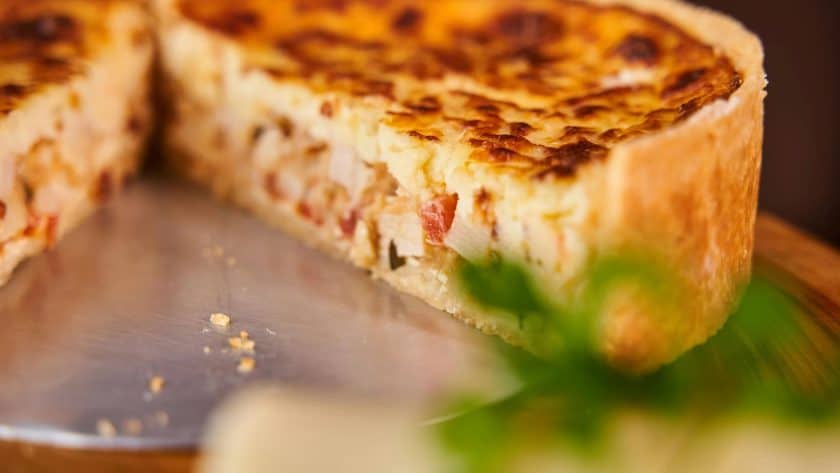
I’ve made this Mary Berry Cheese and Onion Quiche more times than I can count — usually when I want something comforting but still a bit polished. It’s the kind of recipe that looks simple on paper, but the magic is in the details. The first time I made it, I rushed the onions and paid for it. They were pale, a bit sharp, and the whole thing tasted flat. Second go, I cooked them low and slow while the pastry chilled — and suddenly everything clicked.
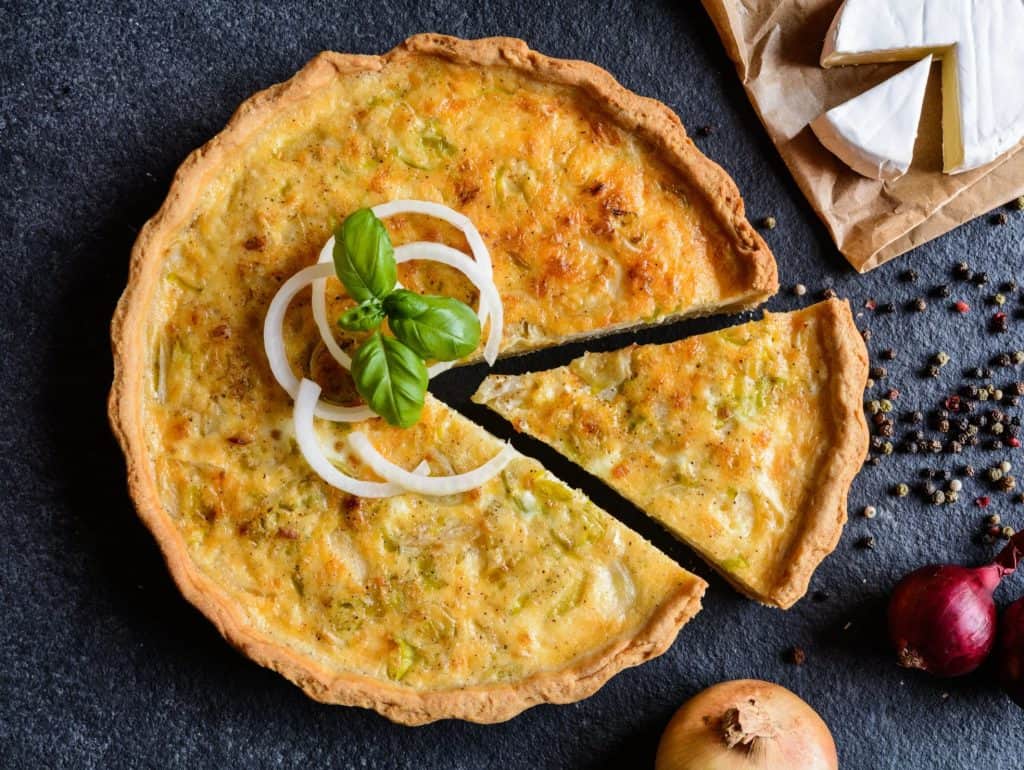
This is a proper, classic quiche: crisp shortcrust that actually holds its bite, sweet caramelised onions, and a rich custard that sets softly without turning rubbery. It’s just as good warm as it is cold, which makes it brilliant for lunches, picnics, or slicing straight from the fridge when no one’s looking.
Let me show you exactly what makes this one work — and what I’ve learned the hard way.
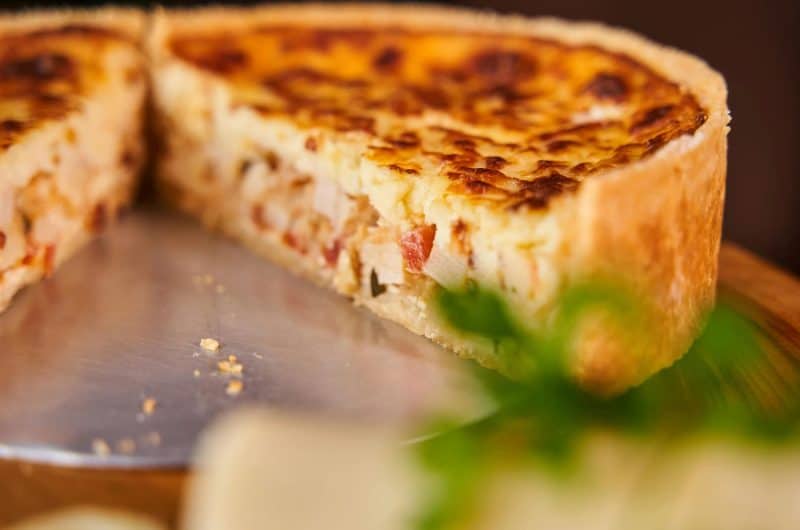
Mary Berry Cheese and Onion Quiche – Crisp Pastry, Creamy Centre, No Soggy Bottoms
Course: MainCuisine: British8
servings30
minutes45
minutes300
kcalIngredients
For the Shortcrust Pastry
Plain flour – Keeps the pastry tender. Strong flour makes it tough.
Cold butter – Essential for flakiness. Warm butter = greasy pastry.
Egg – Adds richness and helps the dough bind without excess water.
For the Filling
Onions – Cooked slowly, they provide sweetness and depth.
Mature Cheddar – Sharpness and classic flavour.
Gruyère – Melts smoothly and enriches the custard.
Eggs – Structure for a clean slice.
Double cream – Gives that soft, luxurious set.
Salt & black pepper – Don’t under-season; custard needs confidence.
Directions
- Make and chill pastry.
- Blind bake pastry until pale golden.
- Slowly caramelise onions.
- Fill pastry with cheese and onions.
- Pour over custard and bake until just set.
- Rest briefly before serving.
WHAT MAKES THIS RECIPE SPECIAL
Most cheese and onion quiches fail in one of three places: soggy pastry, bland filling, or overbaked custard. This version avoids all three.
The shortcrust is chilled twice (yes, it matters), then blind baked until dry and lightly golden — not just “set.” The onions are cooked gently for a full 20–25 minutes until sweet and jammy, not fried and bitter. And the custard uses enough cream to stay silky, but not so much that it weeps once cooled.
I didn’t expect the Gruyère to make such a difference, but it really does. It melts into the custard in a way Cheddar alone doesn’t, giving a smoother, rounder finish.
QUICHE INGREDIENTS + WHY THEY MATTER
For the Shortcrust Pastry
- Plain flour – Keeps the pastry tender. Strong flour makes it tough.
- Cold butter – Essential for flakiness. Warm butter = greasy pastry.
- Egg – Adds richness and helps the dough bind without excess water.
For the Filling
- Onions – Cooked slowly, they provide sweetness and depth.
- Mature Cheddar – Sharpness and classic flavour.
- Gruyère – Melts smoothly and enriches the custard.
- Eggs – Structure for a clean slice.
- Double cream – Gives that soft, luxurious set.
- Salt & black pepper – Don’t under-season; custard needs confidence.
MAKE IT YOUR OWN
- All Cheddar: Works fine — just use a strong one.
- Add herbs: A little thyme or chives are lovely. Keep it subtle.
- Lighter version: Half cream, half full-fat milk works, but the texture is softer.
- No food processor: I often make this pastry by hand — just rub in the butter lightly.
I tested skim milk once. I won’t be doing that again.
Cheese Variations to Try
- All Cheddar: Use 200g mature Cheddar for a sharper, more traditional flavour.
- Gruyère Swap: Replace Gruyère with Emmental for a milder, creamier finish.
- Extra Indulgent: Add 25g Parmesan to the cheese mix for extra depth.
- Vegetarian Twist: Stir in a teaspoon of wholegrain mustard for added savoury warmth.
MISTAKES TO AVOID
| What Went Wrong | Why It Happens | How to Fix It |
|---|---|---|
| Soggy base | Pastry underbaked | Blind bake until dry and pale gold |
| Bitter onions | Heat too high | Cook low and slow, stir patiently |
| Rubbery filling | Overbaked | Pull when centre still gently wobbles |
HOW TO MAKE MARY BERRY’S CHEESE AND ONION QUICHE
- Make the pastry
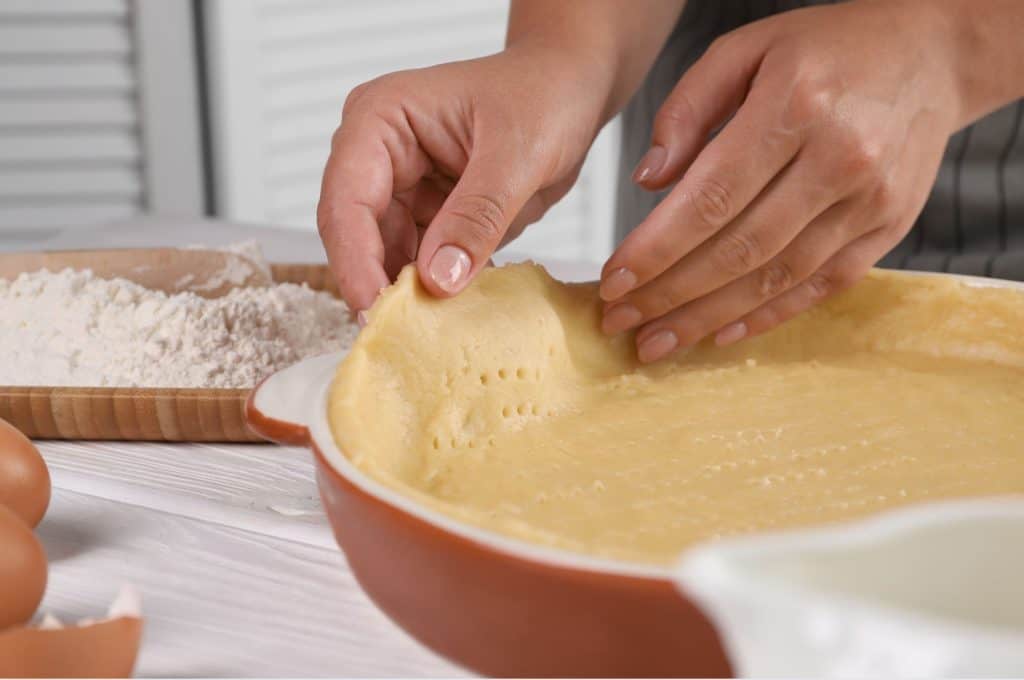
Pulse flour and cold butter until breadcrumb-like. Add egg and a splash of cold water. Stop as soon as it comes together. Wrap and chill 15 minutes. - Blind bake
Roll out, line a 28cm tart tin, prick base. Chill again. Bake at 200°C (180°C fan) with baking beans for 15 minutes, then 5–10 minutes uncovered until pale golden. Cool fully. - Caramelise onions
Cook sliced onions in olive oil with a pinch of salt over low heat for 20–25 minutes until soft, golden, and sweet. Let cool slightly. - Assemble
Reduce oven to 180°C (160°C fan). Sprinkle cheeses over the pastry, add onions. - Custard & bake
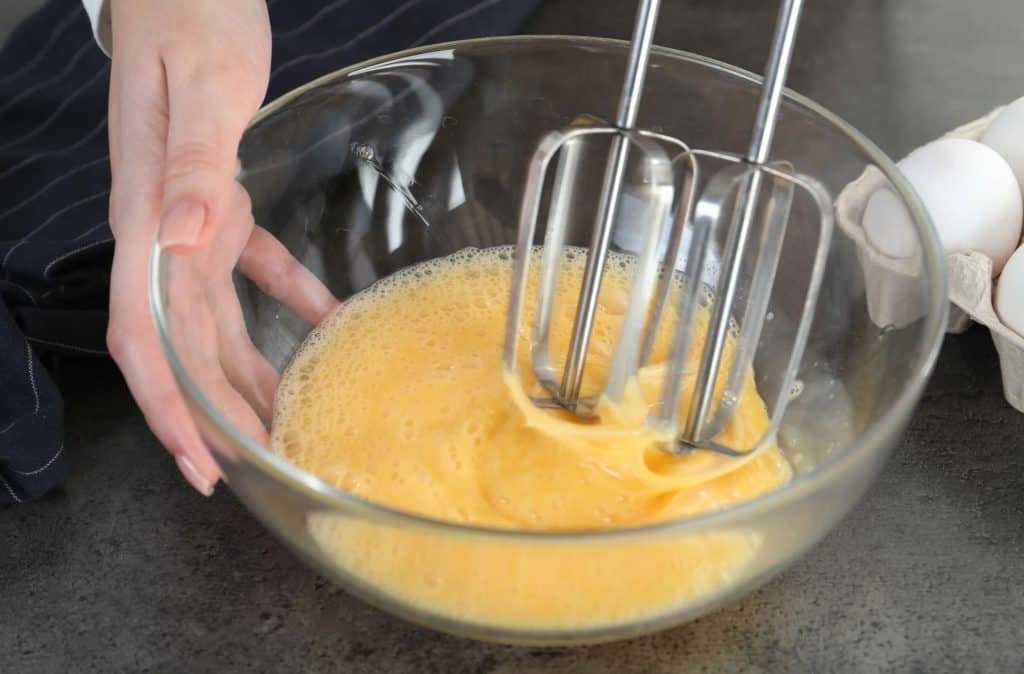
Whisk eggs and cream, season well. Pour carefully into the case. Bake on a hot tray for 30–40 minutes until just set with a soft wobble. - Rest
Cool for 10 minutes before slicing — it finishes setting as it rests.
QUICHE TIPS FROM MY KITCHEN
- I always bake the tart tin on a preheated baking sheet — it really helps the base.
- If the edges brown too fast, loosely tent with foil.
- Cold quiche slices more cleanly than warm.
- Leftovers taste even better the next day.
SHORTCRUST PASTRY TROUBLESHOOTING
Pastry feels tough after baking
This usually means the dough was overworked. Stop mixing as soon as it comes together and avoid kneading — shortcrust should be handled as little as possible.
Pastry shrinking in the tin
The dough wasn’t rested enough. Chilling the pastry before and after lining the tin relaxes the gluten and helps it hold its shape in the oven.
Greasy or soft base
The butter may have been too warm, or the blind bake wasn’t long enough. Always use cold butter and make sure the pastry looks dry and lightly golden before adding the filling.
Cracks after blind baking
Small cracks are normal and not a problem. Any tiny gaps will seal once the egg custard is poured in.
HOW TO STORE THIS QUICHE
- Fridge: Keeps 3 days, airtight.
- Freeze: Whole or sliced, up to 2 months.
- Serve with: Crisp green salad, boiled new potatoes, or tomato soup.
OTHER RECIPES YOU MAY LIKE
- Mary Berry Leek and Bacon Quiche
- Mary Berry Leek Quiche
- Mary Berry Vegetable Quiche Recipe
- Mary Berry Cheese Sauce Recipe