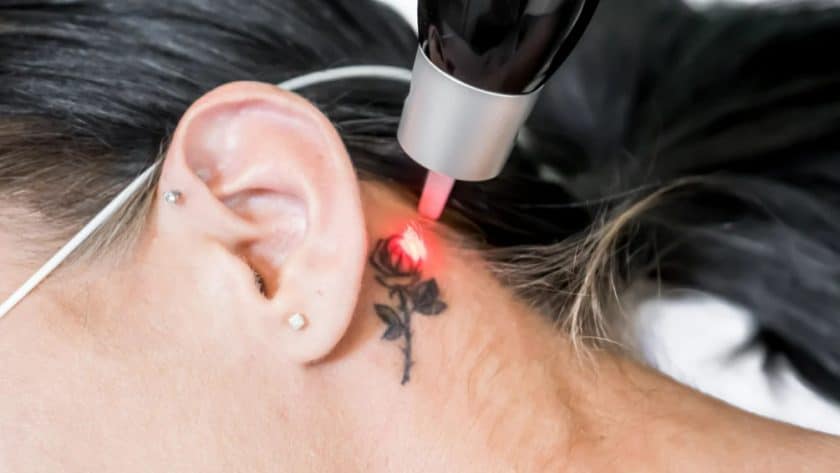
Tattoos are meant to be permanent, but life circumstances change. Whether it’s a relationship that ended, a design you’ve outgrown, or professional considerations, more people than ever are seeking laser tattoo removal. This comprehensive guide will walk you through everything you need to know about the process, from how it works to what you can expect during your journey to clearer skin.
The good news is that modern laser technology has made tattoo removal more effective and accessible than ever before. Understanding the process will help you make informed decisions and set realistic expectations for your treatment.
How Laser Tattoo Removal Actually Works
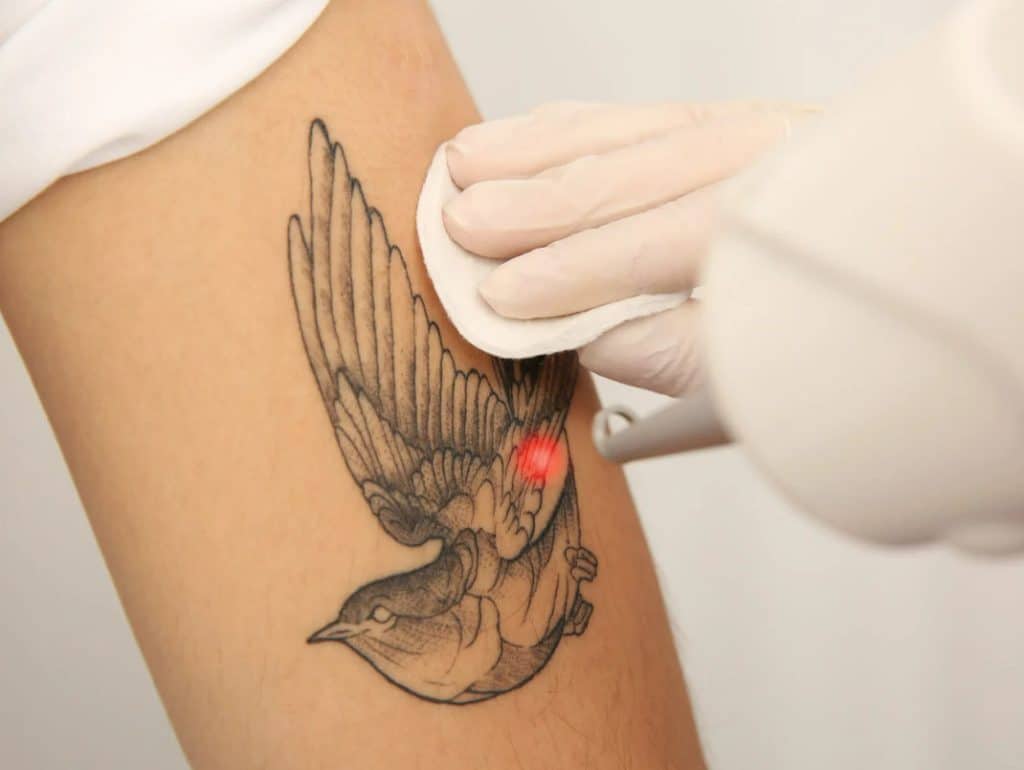
Laser tattoo removal uses concentrated light beams to break down the ink particles in your skin. The laser targets the pigment without damaging the surrounding tissue, which is why it’s considered the safest and most effective method available today.
Different wavelengths of light target different ink colors. Black and dark blue inks absorb all laser wavelengths, making them the easiest to remove. Lighter colors like yellow, green, and fluorescent shades can be more challenging and may require specialized lasers.
Once the laser breaks down the ink into smaller particles, your body’s immune system naturally flushes them out over time. This is why multiple sessions are necessary and why you’ll see gradual fading between appointments rather than instant results.
What to Expect During Treatment Sessions
Your first appointment will typically involve a consultation where a specialist assesses your tattoo’s size, colors, and location. They’ll also evaluate your skin type and discuss your medical history to ensure you’re a good candidate for the procedure.
During the actual treatment, most people describe the sensation as similar to having a rubber band snapped against the skin repeatedly. While uncomfortable, it’s generally tolerable, and topical numbing creams can help manage discomfort. Sessions can last anywhere from a few minutes to an hour, depending on the tattoo’s size.
After treatment, you’ll experience redness, swelling, and possibly some blistering. These are normal reactions and typically subside within a few days. Proper aftercare is crucial for optimal results and preventing complications.
The Timeline: How Long Does Complete Removal Take
Patience is essential when it comes to tattoo removal. Most people need between six and twelve sessions spaced six to eight weeks apart. However, some tattoos may require more treatments, while others might fade satisfactorily in fewer sessions.
Several factors influence the timeline, including the tattoo’s age, size, colors used, and depth of ink penetration. Professional tattoos with dense ink saturation typically take longer to remove than amateur tattoos. Your body’s immune system efficiency also plays a significant role in how quickly the ink is eliminated.
The spacing between sessions isn’t arbitrary. Your body needs time to flush out the fragmented ink particles and heal before the next treatment. Rushing the process by scheduling sessions too close together won’t speed up results and could increase the risk of scarring.
Choosing the Right Specialist for Your Removal
Finding qualified professionals is crucial for safe and effective results. Look for practitioners who use FDA-approved lasers and have extensive experience with tattoo removal specifically, not just general laser treatments.
When searching for Chula Vista tattoo removal specialists, verify their credentials, read reviews from previous clients, and don’t hesitate to ask about their experience with tattoos similar to yours. A reputable specialist will provide realistic expectations and never guarantee complete removal in an unrealistic timeframe.
Schedule consultations with multiple providers before making your decision. This allows you to compare approaches, pricing, and overall comfort level with each practice.
Cost Considerations and Financial Planning
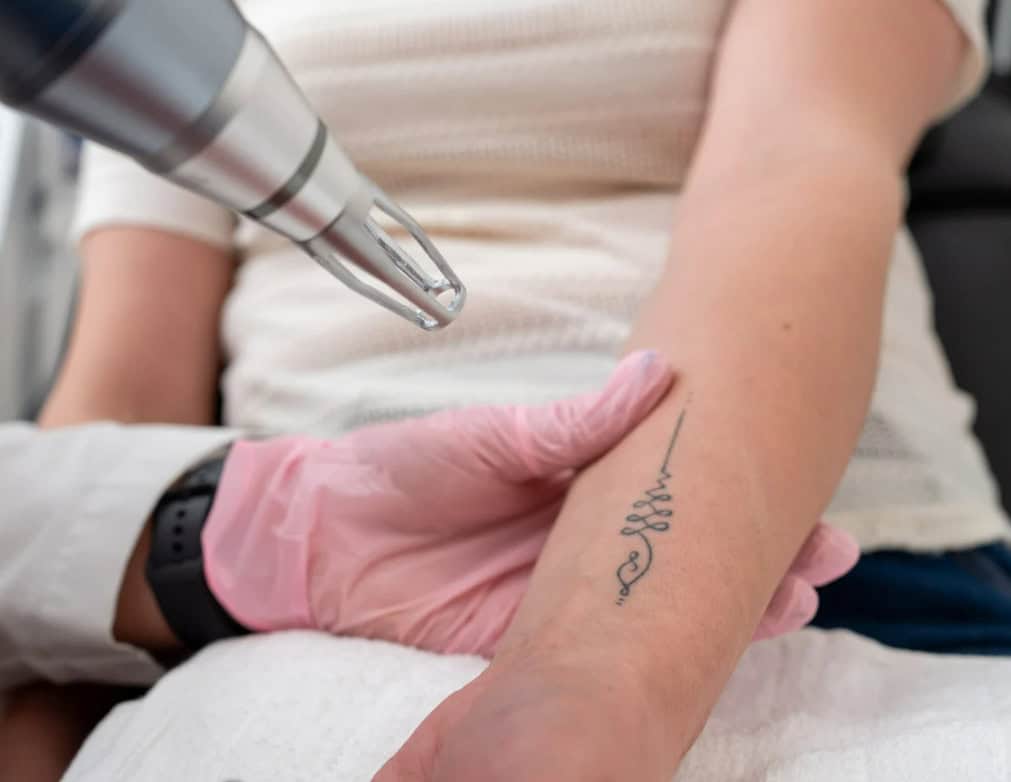
Laser tattoo removal is an investment, with costs varying widely based on tattoo size, complexity, and location. Small tattoos might cost a few hundred dollars per session, while larger pieces can run several hundred to over a thousand dollars each time.
Most practices offer package deals that reduce the per-session cost when you commit to multiple treatments upfront. Some also provide financing options to make the process more affordable. Remember that choosing the cheapest option isn’t always wise when it comes to a procedure that affects your skin permanently.
Insurance typically doesn’t cover cosmetic tattoo removal, though some exceptions exist for tattoos removed for medical or psychological reasons. Check with your provider to understand your coverage.
Conclusion: Your Path to Fresh Skin
Laser tattoo removal has helped countless people move forward from ink they no longer want. While the process requires time, financial investment, and patience, the results can be life-changing for those seeking a fresh start.
By understanding how the technology works, setting realistic expectations, and choosing qualified specialists, you’ll be well-prepared for your removal journey. Remember that every tattoo and every person is different, so your experience will be unique to you. Take your time researching options, ask plenty of questions, and commit to following aftercare instructions for the best possible outcome.