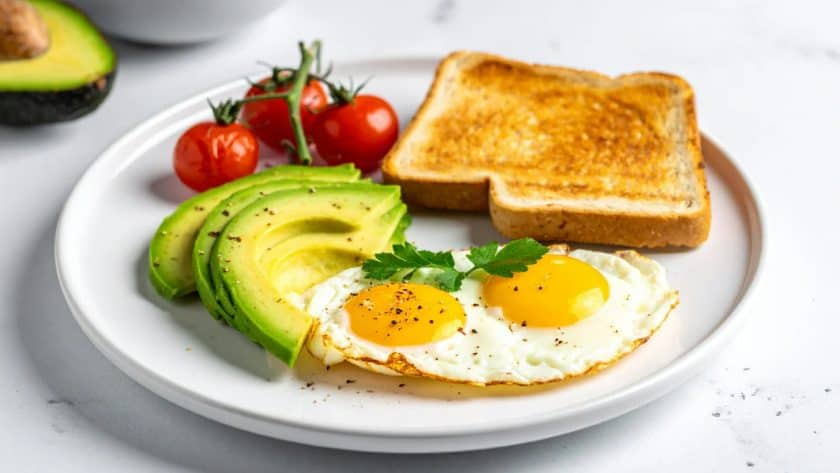
When it comes to improving your fitness, most people obsess over workouts — but neglect the one habit that sets the tone for the entire day: breakfast.
As a personal trainer working with busy professionals and parents, I’ve seen first-hand how much difference the right morning meal makes. Energy levels, focus, hunger control, training performance — all of it is influenced by what you eat within the first few hours of waking up.
So what actually makes an “ideal” high-protein breakfast from a personal trainer’s perspective?
Let’s break it down.
Why Breakfast Matters for Fitness Goals
Whether your goal is fat loss, muscle building, or simply feeling more energised, breakfast plays a key role in:
- Regulating blood sugar
- Supporting muscle recovery
- Controlling cravings later in the day
- Preventing overeating in the evening
Many people either skip breakfast entirely or grab something high in sugar and low in protein. That combination usually leads to energy crashes, mid-morning snacking, and poor food choices later on.
The solution? Prioritise protein, fibre, and whole foods.
The Ideal Breakfast Structure
An ideal high-protein breakfast should include:
1. A Solid Protein Source (25–40g)
Protein helps preserve muscle, keeps you full longer, and supports recovery — especially if you train regularly.
Good options:
- Eggs
- Greek yoghurt
- Cottage cheese
- Protein oats
- Smoked salmon
- Lean turkey or chicken
- Protein smoothies
2. Slow-Digesting Carbohydrates
These provide steady energy rather than a sharp spike and crash.
Examples:
- Oats
- Wholegrain toast
- Sourdough
- Fruit (berries, banana, apple)
- Sweet potato (for those who prefer savoury breakfasts)
3. Healthy Fats (In Moderation)
Fats improve satiety and support hormone health.
Think:
- Avocado
- Nuts and seeds
- Olive oil
- Nut butters
Example: The Personal Trainer’s Go-To Breakfast
Here’s a simple, balanced option that works for most people:
High-Protein Greek Yoghurt Bowl
- 250g Greek yoghurt
- Handful of mixed berries
- 30g oats or homemade granola
- 1 tbsp chia seeds
- Drizzle of honey
This provides:
- Around 30–35g protein
- Fibre for digestion
- Steady-release carbs
- Healthy fats
It takes under 5 minutes to prepare and keeps hunger under control for hours.
If Fat Loss Is the Goal
Keep it simple:
- Prioritise protein.
- Control portions.
- Avoid ultra-processed breakfast cereals.
Something as straightforward as:
- 3 eggs
- Spinach
- 1 slice wholegrain toast
can outperform most “healthy-looking” packaged breakfast options.
If Muscle Gain Is the Goal
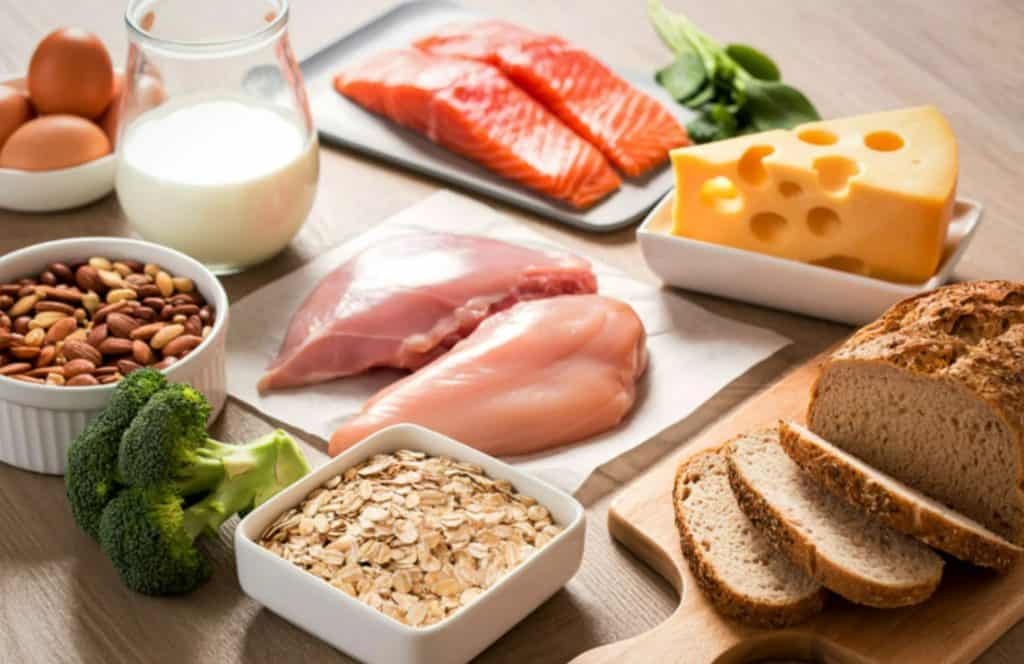
Increase:
- Total calories
- Carbohydrate intake
- Portion sizes
For example:
- Protein oats with whey protein stirred in
- Banana
- Peanut butter
- Side of scrambled eggs
Fuel performance first — aesthetics follow.
The Biggest Breakfast Mistake People Make
Under-eating protein.
Many breakfasts are carb-heavy and protein-light:
- Toast and jam
- Cereal and milk
- Croissant and coffee
These leave you hungry quickly and often derail nutrition by mid-afternoon.
If you do nothing else, aim for at least 25g of protein at breakfast.
Fitness Is Built on Habits, Not Extremes
The ideal breakfast isn’t about perfection — it’s about consistency.
You don’t need elaborate recipes or complicated meal plans. You need structure, balance, and awareness of your goal.
If you’re unsure how to structure your nutrition around your training, working with a professional can make the process far more straightforward. At Adam Davies Coaching, we help clients build sustainable habits that fit real life — not extreme dieting trends. If you’re based locally and want tailored support, our personal training in Liverpool is designed to combine structured training with practical nutrition guidance that actually works long term.
Final Thought
Your breakfast won’t magically transform your body overnight. But stack the ideal high-protein breakfast day after day, and the results compound quickly.
Start your mornings with protein, keep it simple, and let consistency do the heavy lifting.