
I’ve made this cheese sauce more times than I can count, usually in a rush and usually with something already steaming in the oven waiting for it. The first time I ever tried it, I was convinced it would go wrong—lumpy, gluey, or worse, that odd stringy mess cheese sauces sometimes turn into. And yes, the very first batch did split slightly because I got impatient and let it boil.
Once I slowed down and paid attention to the heat, it clicked. This is one of those quietly brilliant Mary Berry staples: simple ingredients, steady method, and absolutely reliable if you treat it gently. I make it for pasta, pour it over vegetables, and use it as the base for cauliflower cheese and lasagne. Let me show you exactly how I make it now—and what not to rush.

Mary Berry Cheese Sauce – Smooth, Lump‑Free, and Properly Foolproof
Course: SauceCuisine: British4
servings5
minutes10
minutes150
kcalIngredients
25g butter
25g plain flour
400–500ml milk
80g mature cheddar, grated
Salt and white pepper
Directions
- Melt butter in a saucepan.
- Stir in flour and cook 1–2 minutes.
- Gradually add milk, stirring constantly.
- Simmer gently for 5 minutes.
- Remove from heat, add cheese, season and serve.
The Secret Behind This Sauce
What makes this cheese sauce work is control. Not fancy ingredients, not tricks—just timing and temperature.
Most cheese sauce disasters happen when the milk is added too fast or the cheese is overheated. I didn’t think adding milk gradually would matter much, but it’s the difference between silky and lumpy. And once the cheese goes in, the heat must stay low. The sauce should melt, not boil.
It also surprised me how little cheese you actually need. The roux does the heavy lifting; the cheese just adds flavour and richness without overwhelming everything else.
Sauce Ingredients
- Butter – Gives richness and helps the flour cook smoothly. I tried margarine once; it worked, but the flavour wasn’t as round.
- Plain flour – Thickens the sauce. Cooking it properly avoids that raw flour taste.
- Milk – Creates the base. I usually use semi‑skimmed; whole milk makes it slightly richer.
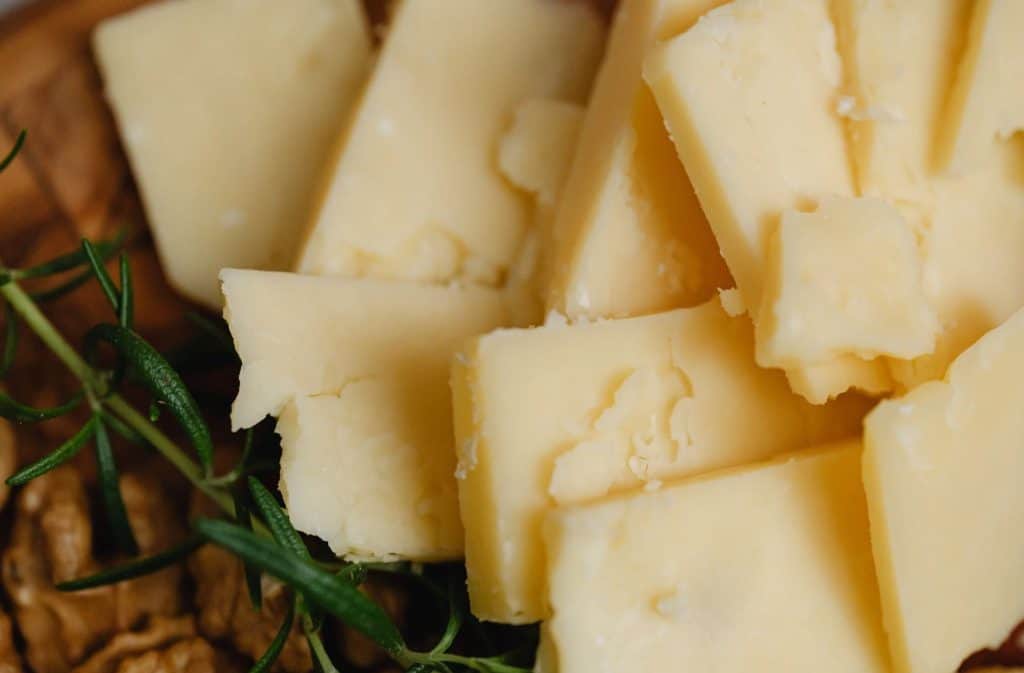
- Mature cheddar – Strong flavour means you don’t need loads. Mild cheddar tasted flat when I tested it.
- Salt – Essential, especially after adding the cheese.
- White pepper – Gentle warmth without black specks. I keep it just for sauces like this.
Make This Sauce Your Own
- Different cheeses: Gruyère melted beautifully. Red Leicester worked but was milder.
- Extra richness: A spoonful of crème fraîche stirred in at the end worked well.
- Mustard kick: I tested a small dab of Dijon—nice, but optional.
- Gluten‑free: I tried cornflour once; it thickened but lacked the same body as flour.
Mistakes To Avoid
| What Went Wrong | Why It Happens | How to Fix It |
|---|---|---|
| Lumpy sauce | Milk added too fast | Add milk gradually, whisking constantly |
| Sauce tasted floury | Roux not cooked | Stir flour in butter for a full 1–2 minutes |
| Stringy texture | Sauce boiled after cheese | Keep heat low once cheese is added |
How to Make Mary Berry’s Cheese Sauce
- Melt the butter gently in a saucepan over medium heat. Don’t let it brown.
- Add the flour and stir continuously for 1–2 minutes. It should look smooth and smell slightly nutty, not raw.
- Pour in the milk a little at a time, stirring well after each addition. At first it will look thick and stiff—keep going.
- Once all the milk is added, bring the sauce to a gentle boil, stirring constantly, then reduce the heat and simmer for about 5 minutes until thick and smooth.
- Take the pan off the heat and stir in the grated cheese until fully melted.
- Season with salt and white pepper. Do not return to a boil.
My Tips
- I grate the cheese finely—it melts faster and more evenly.
- If the sauce thickens too much, a splash of warm milk fixes it instantly.
- I always taste after adding the cheese—before seasoning.
Storing this Sauce
- Keeps: Up to 3 days in the fridge in an airtight container.
- Reheating: Low heat only, stirring constantly. Add a little milk to loosen.
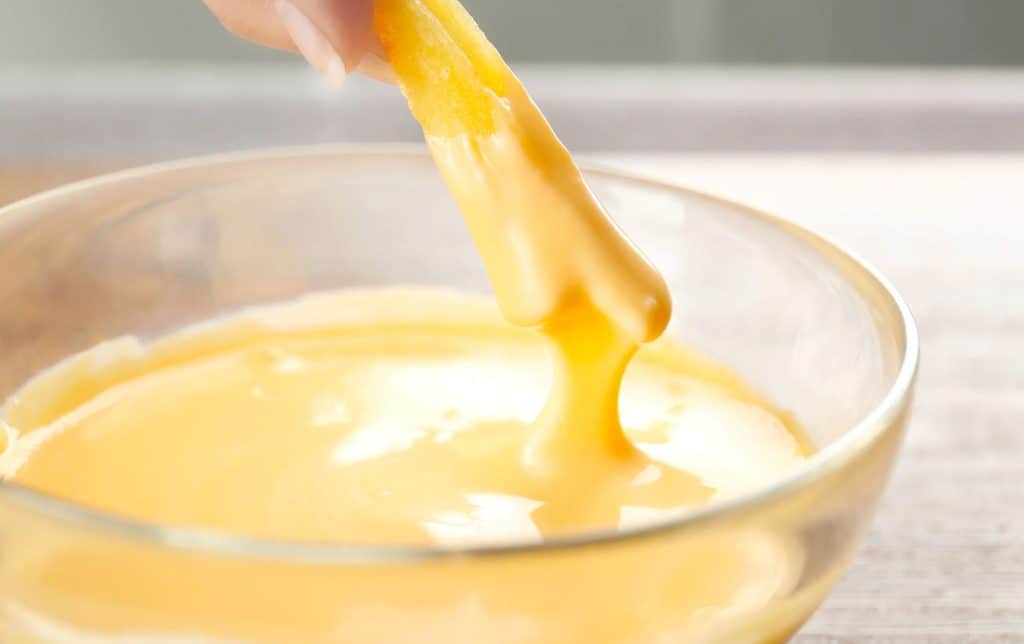
- Serve with: Pasta, steamed vegetables, cauliflower cheese, lasagne, or poured over baked potatoes.
FAQs
Why did my cheese sauce turn grainy?
It was overheated after the cheese was added. Keep the heat low and never boil once the cheese has melted.
Can I make cheese sauce ahead of time?
Yes. Store it in the fridge for up to three days and reheat gently with a splash of milk, stirring constantly.
What is the best cheese to use for cheese sauce?
Mature cheddar gives the best flavour, while Gruyère melts smoothly and works very well.