The first time I tried making these gluten-free, the cupcakes tasted like sweet sand held together by optimism. I used a bargain-bin GF flour blend and convinced myself “it’ll probably be fine.” It wasn’t.
The second round, though? I switched flours, added a tiny bit of extra moisture, and suddenly the sponge was soft, pale, and properly light—exactly what I wanted. And because Victoria sponge is such a simple bake, there’s nowhere to hide. It has to taste right.
So if you’ve ever been disappointed by crumbly gluten-free cupcakes, let me show you the tweaks I made (and the ones that failed spectacularly).
Mary Berry Gluten-Free Victoria Sponge Cupcakes Recipe – Soft, Light & Not the Least Bit Gritty
Course: DessertCuisine: British12
servings25
minutes20
minutes380
kcalIngredients
For the cupcakes:
175g softened butter
175g caster sugar
3 large eggs, room temperature
175g gluten-free self-raising flour
1½ tsp baking powder
½ tsp xanthan gum (if flour doesn’t contain it)
1–2 tbsp milk
1 tsp vanilla extract
For the filling:
100g softened butter
200g icing sugar, sifted
1–2 tbsp milk
½ tsp vanilla extract
4–5 tbsp strawberry or raspberry jam
Directions
- Heat oven to 180°C (160°C fan). Line a 12-hole tin.
- Add all cupcake ingredients to a bowl and beat 1–1½ minutes until smooth.
- Rest batter 10 minutes.
- Spoon into cases and bake 20–23 minutes until springy. Cool fully.
- Beat buttercream ingredients until fluffy.
- Cut cones from cupcakes, slice in half.
- Fill hollows with jam, pipe buttercream, add “wings.”
Why This One Works Great
- A good GF blend actually matters. I didn’t want it to—but the cupcakes made with a basic rice-heavy mix went dry within an hour. The ones made with a balanced blend (rice + tapioca + potato starch) stayed tender.
- Extra moisture keeps things soft. Just a splash of milk helped the cupcakes stay springy instead of chalky.
- Letting the batter rest for 10 minutes allowed the flour to hydrate, smoothing the texture. I didn’t think this would matter—but it absolutely did.
- No beating to death. GF batter overmixes faster than wheat flour; the first batch I whisked too long turned out tough.
Ingredients
- Softened Butter – Gives richness and flavour. I once tried using fridge-cold butter and the batter curdled instantly.
- Caster Sugar – Keeps the crumb fine. Granulated sugar makes the texture slightly coarse in GF baking.
- 3 Large Eggs (room temp) – Essential lift. Cold eggs made my batter lumpy.
- Gluten-Free Self-Raising Flour Blend (175g) – A balanced blend works best. Too much rice flour = gritty.
- ½ tsp Xanthan Gum (only if your blend doesn’t include it) – Prevents the cupcake from crumbling the moment you touch it.
- Baking Powder (1 ½ tsp) – Helps compensate for the lack of gluten structure.
- Vanilla Extract – Gives that classic Victoria sponge flavour.
- Milk (1–2 tbsp) – Adds moisture GF flour tends to absorb.
- Butter (for buttercream) – Softened, not melted.
- Icing Sugar – Sifted so it doesn’t turn lumpy.
- Jam – I used a jar I bought at Borough Market last year—still lovely.
Different Versions
All of these have been tested in my kitchen:
- Dairy-Free? Use a vegan baking spread and oat milk. The sponge stays surprisingly soft. Buttercream works with vegan butter but softens faster—keep it cool.
- Strawberry vs Raspberry Jam – Both work. Raspberry makes a sharper, brighter cupcake.
- Egg-Free? I tried it twice with flax eggs—sadly, both batches sank. I can’t recommend it for this specific recipe.
- Buttercream Swap: A dollop of whipped cream instead of buttercream is gorgeous, but it needs to be eaten immediately.
Mistakes to Avoid
| Mistake | Why It Happened | How to Fix It |
|---|---|---|
| Cupcakes were gritty | Used a rice-heavy GF blend | Use a balanced blend (with tapioca/potato starch) |
| Cupcakes sunk in the middle | Batter was overmixed | Mix just until smooth—stop as soon as lumps disappear |
| Wings kept falling off | Buttercream too soft | Beat longer + chill 10 mins before assembling |
How To Make These GF Cupcakes
1. Prep
Preheat the oven to 180°C (160°C fan). Line a 12-hole cupcake tin.
I use my old metal one with slightly dented sides—still works perfectly.
2. Make the Sponge
In a bowl, add:
- butter
- caster sugar
- eggs
- GF self-raising flour
- baking powder
- vanilla extract
- 1 tbsp milk to start
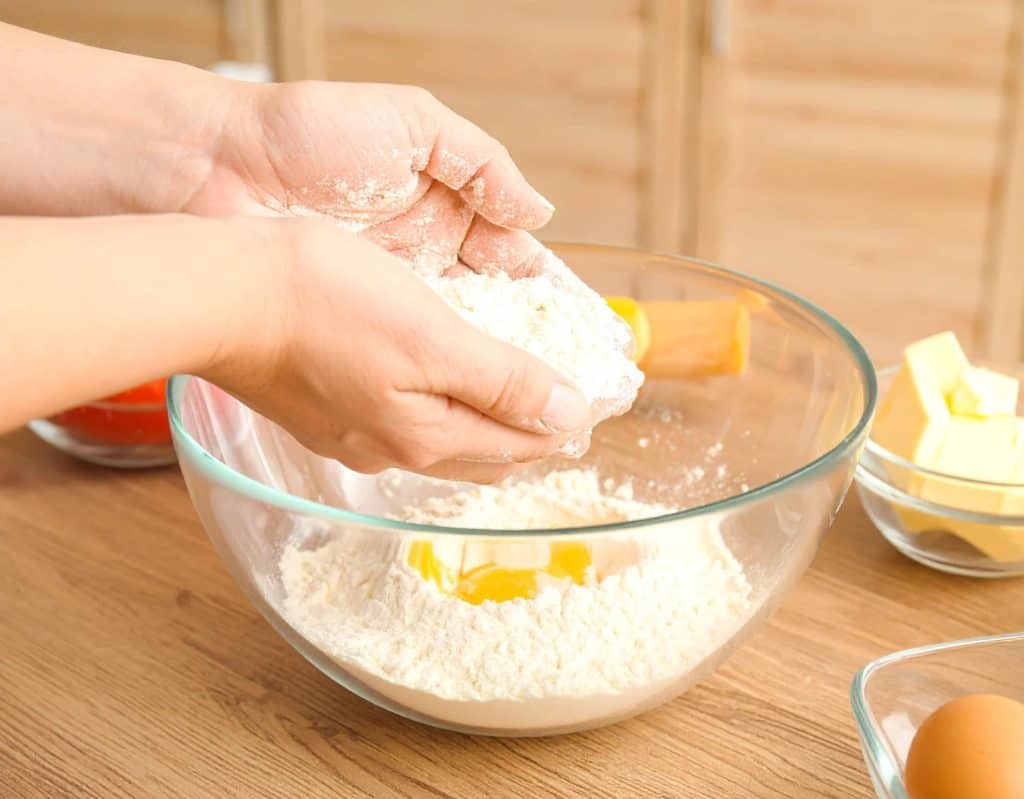
Beat for no more than 1–1½ minutes.
The batter should look pale and smooth—not thick like paste.
3. Rest the Batter
Let it sit for 10 minutes.
GF flour hydrates slowly, and this gives a noticeably softer crumb.
4. Bake
Spoon the mixture evenly into the cases.
Bake 20–23 minutes, until lightly golden and springy.
The second time I made these, I left them in for 25 minutes and they dried out fast, so keep an eye on them.
5. Cool Completely
Move to a wire rack after 2 minutes in the tin—GF cupcakes steam quickly.
6. Make the Buttercream
Beat the softened butter until creamy. Add the icing sugar gradually.
Add milk and vanilla.
It should be pale, fluffy, and hold its shape on the spoon.

7. Assemble Butterfly Cakes
Cut a shallow cone from each cupcake, slice it into two “wings.”
Fill the hollow with jam.
Pipe a swirl of buttercream.
Press the wings on top and dust with icing sugar.
My Tips to You
- I chill the cupcakes for 5 minutes before cutting the wings—it stops crumbs flying everywhere.
- My fan oven runs hot, so I pull them at 21 minutes.
- GF cupcakes dry quickly—don’t skip the milk.
- Store with a piece of baking parchment inside the tin to reduce moisture loss.
How to Store and Serve The Cupcakes
- Room temperature: 2 days in an airtight tin
- Fridge: Only if your kitchen is warm; bring to room temperature before eating
- Freezing: Unfrosted GF cupcakes freeze beautifully (up to 3 months)
- Serving: Perfect with tea, lemonade, or—my favourite—a spoon of Greek yoghurt on the side
Frequently Asked Questions
Can I make these cupcakes without xanthan gum?
Yes — but only if your gluten-free flour blend already includes xanthan gum. If it doesn’t, add ½ teaspoon so the cupcakes don’t crumble when cut.
Why do my gluten-free cupcakes dry out quickly?
Gluten-free flours absorb more liquid than wheat flour. Add 1–2 tbsp of extra milk, avoid overbaking, and cool them on a wire rack right away.
Can I use plain gluten-free flour instead of self-raising?
Yes — use 175g plain GF flour plus 3 tsp baking powder and ½ tsp xanthan gum (if your blend doesn’t include it).
My buttercream split or is too soft — how do I fix it?
Split buttercream often means the butter was too warm. Beat it longer, chill it briefly, or add more sifted icing sugar to firm it. If too stiff, add milk a teaspoon at a time.
Can I freeze these gluten-free cupcakes?
Yes! Freeze unfrosted cupcakes for up to 3 months. Let them cool completely, freeze in a single layer, then transfer to a sealed container. Thaw at room temperature before decorating.
Can I make these cupcakes dairy-free?
Absolutely — use dairy-free baking spread in the sponge and a plant-based butter alternative in the buttercream. Oat or almond milk works well, though the buttercream softens a little faster, so keep it cool before piping.
Do egg-free substitutes work in this recipe?
Sadly no. Flax eggs were tested twice and caused the cupcakes to sink. This recipe relies on real eggs for structure, so an egg-free version isn’t recommended.
Other Recipes You May Like
- Mary Berry Coffee and Walnut Sponge Cake
- Mary Berry Lemon Victoria Sponge
- Mary Berry Gluten-Free Victoria Sponge
- Mary Berry Buttercream Icing Recipe