The first time I made brioche bread, I was convinced I’d ruined it.
After ten minutes of kneading, I started adding the butter cube by cube, and the dough turned into what looked like a glossy yellow puddle. I stood in my kitchen—flour on my jumper, Radio 4 muttering in the background—wondering whether I’d just sacrificed half a block of butter for nothing.
But then, almost magically, it came together.
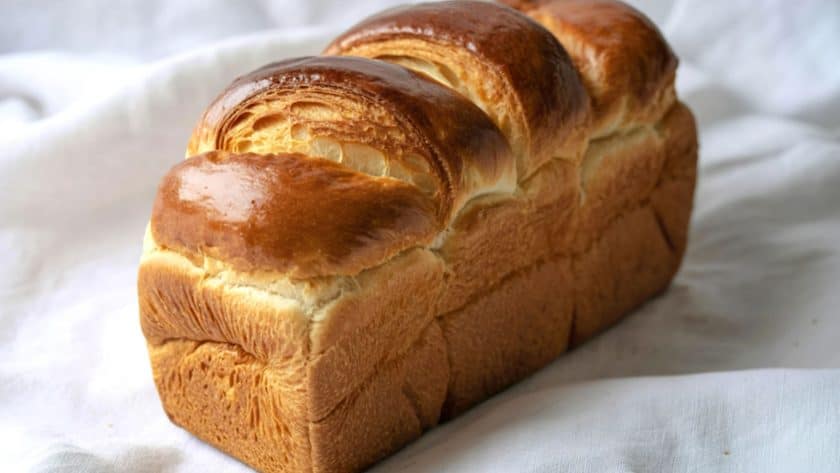
The dough transformed into the silkiest thing I’d ever handled, soft as a well-worn velvet cushion and smelling faintly of sweet cream. The next morning, after an overnight rest in the fridge, it was easy to shape and baked into the most glorious loaf: feather-light, deeply buttery, and shiny enough to make me absurdly proud.
Brioche does take a little patience, but the process is oddly therapeutic. And once you taste that first warm slice, you’ll understand why the French were onto something. Let me show you exactly how I make it.
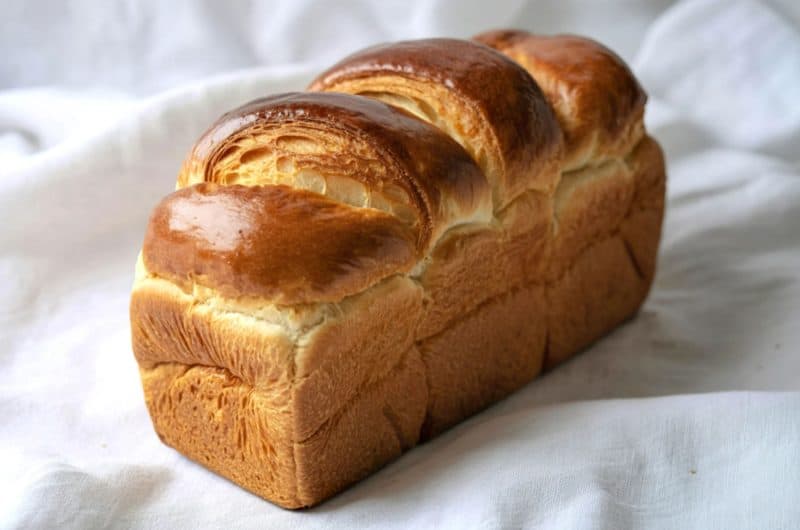
Mary Berry Brioche Bread Recipe – Rich, Buttery, and Worth Every Fold
Course: BreadCuisine: French12
servings45
minutes40
minutes460
kcalIngredients
500g strong white bread flour
10g sea salt
20g caster sugar
75g cold water
5g dried yeast
4 medium eggs
4 medium egg yolks
300g unsalted butter, softened
1 egg yolk, beaten, for glazing
Directions
- Mix flour, salt, sugar, water, yeast, eggs, and yolks into a firm dough.
- Knead until elastic.
- Add butter cubes gradually until fully incorporated.
- Cover and refrigerate overnight.
- Shape into loaves or rolls.
- Proof until doubled.
- Brush with egg yolk.
- Bake at 210°C for 5 minutes, then 160°C until golden.
- Cool before slicing.
Why You’ll Love This Brioche Bread Recipe
Brioche bread is enriched with eggs and an extraordinary amount of butter, which gives it its signature soft crumb and rich flavor.
Here’s why this version works beautifully:
- Cold water and chilled dough keep the butter from melting too quickly.
- A long knead develops strong gluten, which is essential to support all that butter.
- Adding butter gradually creates a silky dough rather than a greasy mess.
- An overnight chill deepens the flavor and makes shaping far easier.
Most recipes rush the butter stage, but it’s the heart of the whole process. I didn’t think adding it slowly would matter so much—it absolutely does.
Ingredients
- Strong White Bread Flour (500g) – Provides the strength needed to hold all the eggs and butter.
- Sea Salt (10g) – Balances the richness.
- Caster Sugar (20g) – Adds subtle sweetness and helps with browning.
- Cold Water (75g) – Keeps the dough cool and manageable.
- Dried Yeast (5g) – Gives a slow, steady rise.
- 4 Medium Eggs – Add structure and richness.
- 4 Medium Egg Yolks – Make the crumb extra tender and beautifully yellow.
- Butter (300g) – The star ingredient. I leave mine on the counter for about 30 minutes so it softens but doesn’t turn greasy.
- 1 Extra Egg Yolk – For the glossy golden glaze.
Make It Your Own
I’ve tested a few variations, and these work well:
- Brioche Bread Rolls – Divide into 50g pieces and bake for 15 minutes.
- Chocolate Chip Brioche – Fold in 100g dark chocolate after the butter is fully incorporated.
- Citrus Brioche – Add the zest of one orange for a subtle fragrance.
- Dairy-Free – I tried vegan butter once. The texture was softer and less rich, but still pleasant.
- Pearl Sugar Topping – Gives a lovely bakery-style finish.
Mistakes I’ve Made
| What Went Wrong | Why It Happens | How to Fix It |
|---|---|---|
| Dough looked greasy and split | Butter added too quickly | Add cubes one at a time |
| Brioche collapsed after baking | Underproofed | Let it rise until nearly doubled |
| Loaf browned too quickly | Oven too hot | Tent loosely with foil |
| Dough was impossible to shape | Too warm | Chill for 20 minutes before handling |
How to Make Mary Berry’s Brioche Recipe
1. Mix the Base Dough
In a large bowl or mixer fitted with a dough hook, combine:
- 500g strong white bread flour
- 10g sea salt
- 20g caster sugar
- 75g cold water
- 5g dried yeast
- 4 medium eggs
- 4 medium egg yolks
Mix for 10 minutes in a stand mixer, or knead by hand for 15 minutes until firm and elastic.
2. Add the Butter
Cut 300g softened butter into small cubes.
Add one cube at a time, kneading thoroughly after each addition.
The dough will look slippery and unruly halfway through. Keep going. It will eventually become smooth, shiny, and surprisingly not sticky.
3. First Rise
Transfer to a lightly greased bowl, cover with cling film or a shower cap, and refrigerate overnight.
4. Shape the Dough
The next day, turn the chilled dough onto a lightly floured surface.
For two small loaves, divide the dough evenly and shape as desired.
For a top-knot brioche, reserve about two-fifths of the dough for the smaller top ball.
5. Proof Again
Place in buttered tins and brush with beaten egg yolk.
Cover loosely and leave in a warm place until doubled in size.
6. Bake
Preheat the oven to 210°C (410°F).
Bake for 5 minutes, then reduce the temperature to 160°C (320°F).
- Small loaves: 35 minutes
- Large top-knot loaf: 45 minutes
- Rolls: 15 minutes
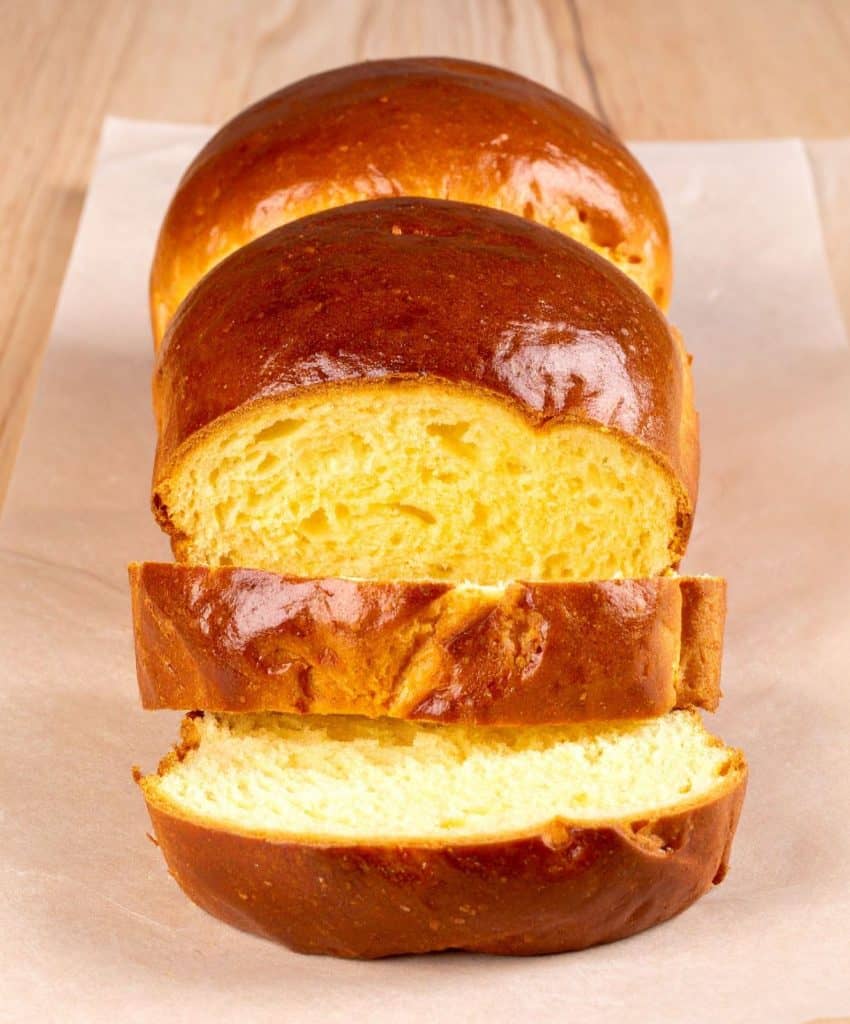
Bake until deeply golden and the kitchen smells like a Paris bakery.
7. Cool
Let cool in the tin for 10 minutes, then transfer to a wire rack.
Tips From My Kitchen
- I use my old metal loaf tins because they give a better crust than silicone.
- If the dough feels too soft, I pop it into the fridge for 15 minutes.
- The brioche makes outrageously good French toast the next morning.
- A second egg wash just before baking creates an extra glossy finish.
Storage + Serving
How Long It Keeps
- Room temperature: 2 days
- Refrigerator: Up to 5 days
- Freezer: Up to 2 months
Best Ways to Serve
- Toasted with raspberry jam
- Made into French toast
- Filled with ham and Gruyère
- Turned into bread and butter pudding
Reheating
Warm slices in a low oven for 5 minutes to restore their soft texture.
FAQs
Why does brioche dough need to rest overnight?
It firms up the butter, improves the flavor, and makes shaping much easier.
Can I make brioche without a stand mixer?
Yes, though your arms will get a proper workout.
How do I know when brioche is fully baked?
It should be deep golden and register around 88–93°C (190–200°F) internally.
Can I freeze brioche?
Absolutely. Wrap tightly and freeze for up to two months.
What makes brioche different from regular bread?
The large amount of eggs and butter gives it a rich flavor and tender crumb.
Other Recipes You May Like
- Mary Berry Brioche Frangipane Apple Pudding
- Mary Berry Apricot Jam Recipe
- Mary Berry Doughnuts Recipe