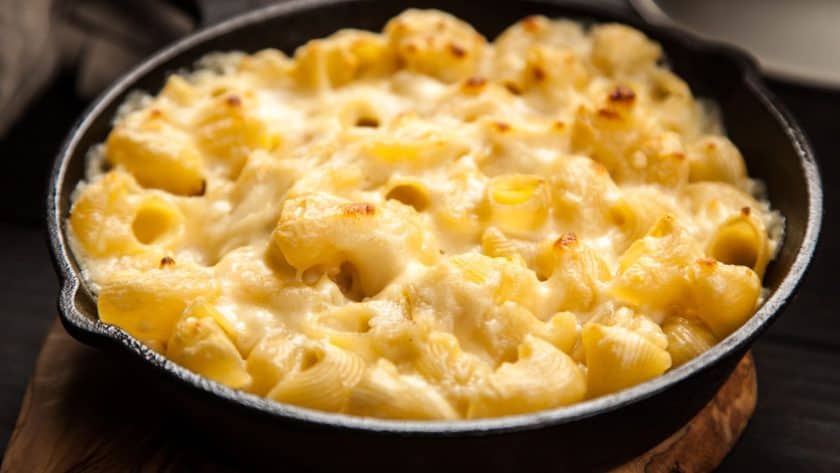
This creamy vegan mac and cheese is pure comfort food in a bowl. The sauce is rich, savoury and wonderfully cheesy without needing dairy, and it gets its flavour from nutritional yeast, miso, garlic, sun-dried tomato and Dijon mustard.
The best part? You don’t have to rely on vegan cheese to create a deliciously creamy sauce. A simple plant-based roux gives the sauce its silky texture, while nutritional yeast and miso add plenty of savoury depth.
Ready in around 20 minutes, this easy vegan mac and cheese makes a fantastic weeknight dinner that the whole family can enjoy.
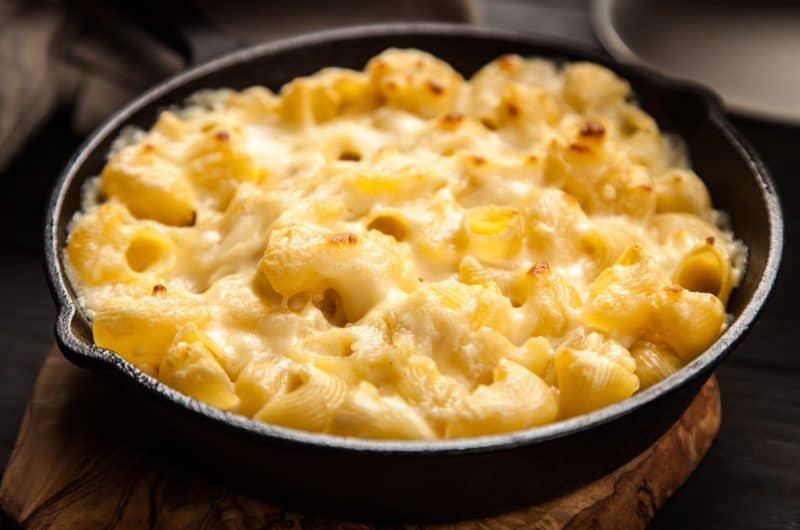
Mary Berry Easy Vegan Mac and Cheese
Course: DinnerCuisine: USA4-6
servings5
minutes12
minutes400
kcalIngredients
For the Sauce
1 tablespoon olive oil
¼ onion or 1 large shallot, finely diced
4 garlic cloves, thinly sliced
4 tablespoons nutritional yeast
1 large sun-dried tomato, or 2 small
3 teaspoons red miso paste
1 heaped teaspoon Dijon mustard, optional
360ml (1½ cups) creamy unsweetened plant milk
50g (¼ cup) vegan butter or mild olive oil
35g (4 tablespoons) plain flour, or gluten-free flour blend
Salt and black pepper, to taste
⅛ teaspoon turmeric, optional
Approximately 100g grated vegan cheddar, optional
Pasta
400g (14oz) macaroni pasta
120ml (½ cup) reserved pasta cooking water, as needed
Optional Topping
3 tablespoons toasted coarse breadcrumbs
Directions
- Cook the onion and garlic: Heat olive oil in a large frying pan over low-medium heat. Add the onion and garlic and cook for about 5 minutes, stirring often, until softened and lightly caramelised.
- Blend the sauce: Transfer the cooked onion and garlic to a blender. Add nutritional yeast, sun-dried tomato, miso, Dijon mustard and plant milk. Blend until smooth. Season with salt and pepper.
- Cook the pasta: Cook the macaroni in a large pot of lightly salted boiling water until al dente. Reserve 120ml (½ cup) of the cooking water, then drain the pasta.
- Make the roux: Return the frying pan to the stove. Add the vegan butter and melt over low heat. Whisk in the flour and cook for 3–4 minutes, stirring constantly, until the mixture is gently bubbling but not browned.
- Add the sauce: Gradually whisk the blended mixture into the roux. Cook for 1–2 minutes, stirring, until the sauce becomes smooth and slightly thickened.
- Add vegan cheese: If using, stir in the grated vegan cheddar and allow it to melt into the sauce.
- Combine with pasta: Add the cooked macaroni and stir until thoroughly coated. Add a little reserved pasta water if the sauce is too thick.
- Season and serve: Taste and adjust the salt and pepper. Add turmeric if desired for extra colour. Serve immediately with toasted breadcrumbs.
Why You’ll Love This Vegan Mac and Cheese
- Completely dairy-free and vegan
- Can easily be made gluten-free
- Ready in about 20 minutes
- No complicated ingredients or techniques
- Creamy and cheesy without requiring vegan cheese
- Perfect for lunch, dinner or a comforting side dish
- Easy to customise with your favourite toppings
What Makes the Sauce Taste Cheesy?
The secret to this vegan mac and cheese is combining several ingredients that bring richness and savoury, umami flavour.
Nutritional yeast is particularly important. It has a naturally savoury, slightly cheesy flavour that works beautifully in dairy-free sauces.
A little red miso adds depth, while sun-dried tomato provides another layer of umami. Garlic, Dijon mustard and creamy plant milk round everything out.
You can also add grated vegan cheddar if you have a brand you enjoy, but the sauce is delicious without it.
Ingredients You’ll Need
For the Sauce
Olive oil: Used to gently cook the onion and garlic.
Onion: Adds sweetness and depth to the sauce.
Garlic: Four cloves give the sauce plenty of savoury flavour.
Nutritional yeast: The key ingredient for creating a cheesy flavour without dairy.
Sun-dried tomato: Adds concentrated umami and a subtle tomato richness. Use one large oil-packed tomato or two smaller ones.
Red miso: Adds a deep savoury flavour. White miso can also be used.
Dijon mustard: Just a small amount enhances the flavour of the sauce.
Plant milk: Choose a creamy unsweetened variety such as oat or soy milk.
Vegan butter: Used with flour to create a simple roux that thickens the sauce.
Flour: Regular plain flour works well, or use a gluten-free flour blend if required.
Turmeric: Optional, but a small amount gives the sauce a lovely golden colour.
For the Pasta
Use your favourite macaroni or small pasta shape. Regular wheat pasta works perfectly, or choose a gluten-free pasta to keep the entire dish gluten-free.
Optional Toppings
Toasted breadcrumbs add a wonderful crunchy contrast to the creamy pasta. You can also add grated vegan cheddar if you like.
How to Make Vegan Mac and Cheese
1. Cook the onion and garlic
Heat the olive oil in a large frying pan over low to medium heat.
Add the finely chopped onion and sliced garlic. Cook gently for about 5 minutes, stirring regularly, until the onion is soft and lightly golden and the garlic has softened.
2. Blend the sauce ingredients
Transfer the cooked onion and garlic to a blender.
Add the nutritional yeast, sun-dried tomato, miso, Dijon mustard and plant milk.
Blend until completely smooth. Taste and season with salt and black pepper.
There’s no need to wash the frying pan because you’ll use it again to make the roux.
3. Cook the pasta
Bring a large pot of lightly salted water to a boil and cook the macaroni until al dente according to the packet instructions.
Before draining, reserve about 120ml (½ cup) of the pasta cooking water.
The starchy cooking water can be used later to loosen the sauce if necessary.
4. Make the roux
Return the frying pan to the stove and add the vegan butter.
Melt over low heat, then gradually whisk in the flour.
Continue cooking for about 3–4 minutes, whisking constantly. The mixture should bubble gently but shouldn’t become brown.
Cooking the flour this way removes its raw taste and creates the base for a thick, creamy sauce.
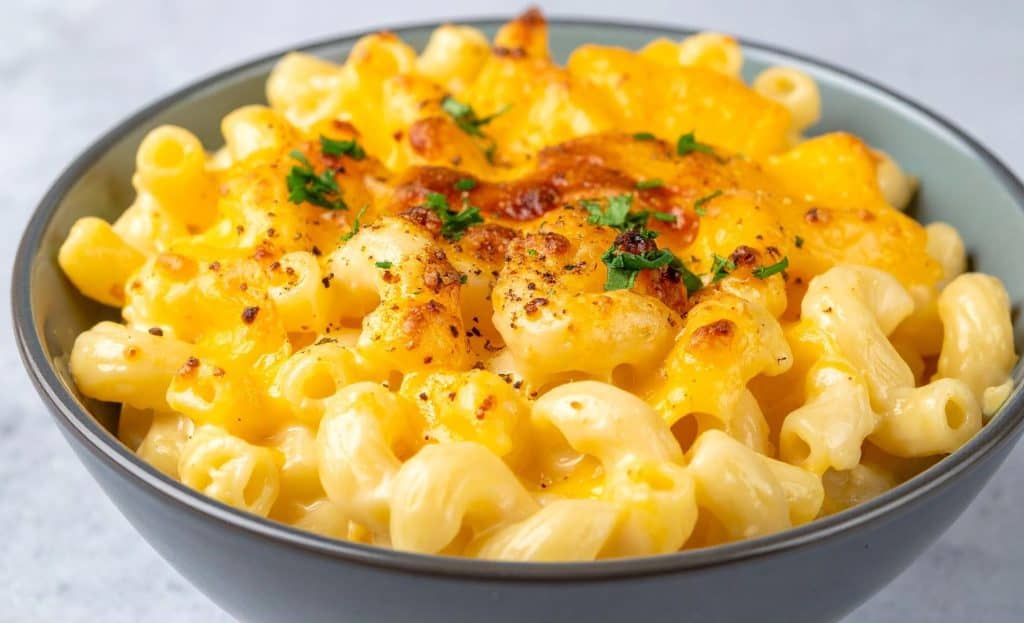
5. Add the blended sauce
Slowly pour the blended plant milk mixture into the roux while whisking.
Continue cooking gently for 1–2 minutes. The sauce will begin to thicken and become smooth and creamy.
If you’re using vegan cheese, stir it in now and allow it to melt completely.
Taste and adjust the seasoning. Add a small pinch of turmeric if you’d like a more golden colour.
6. Add the pasta
Add the drained macaroni to the sauce and stir until every piece is generously coated.
If the sauce is thicker than you like, add a splash of the reserved pasta water and stir until you reach your preferred consistency.
7. Serve
Divide the vegan mac and cheese between bowls and serve immediately.
Finish with toasted breadcrumbs, freshly ground black pepper or a little extra vegan cheese if desired.
Can You Make Vegan Mac and Cheese Gluten-Free?
Yes. To make this recipe gluten-free, use your favourite gluten-free macaroni and replace the plain flour with a gluten-free flour blend.
Chickpea flour can also be used, although it has a stronger flavour that may be noticeable in the finished sauce. A neutral gluten-free flour blend is usually the better choice.
Can You Add Vegan Cheese?
Absolutely.
This recipe is designed to be creamy and flavourful without vegan cheese, but if you have a plant-based cheddar that melts well, feel free to add it.
Stir approximately 100g of grated vegan cheese into the hot sauce before adding the pasta and allow it to melt completely.
What Plant Milk Is Best?
Choose a creamy, unsweetened plant milk. Oat milk and soy milk are particularly good choices because they provide a rich texture without adding a strong flavour.
Avoid sweetened or strongly flavoured plant milks, as they can change the taste of the finished sauce.
Can I Use White Miso Instead of Red Miso?
Yes. Red miso has a deeper and more intense flavour, while white miso is milder and sweeter.
If you’re using white miso, you may want to add a little more to achieve the same depth of flavour.
How to Store Leftovers
Allow the mac and cheese to cool, then transfer it to an airtight container and refrigerate.
It will keep for around 3 days.
The sauce will thicken as it cools, so add a splash of plant milk or water when reheating. Warm gently on the stovetop or in the microwave, stirring regularly.
FAQ
Is vegan mac and cheese dairy-free?
Yes. This recipe is completely dairy-free and uses plant milk and vegan butter instead of traditional dairy ingredients.
Does vegan mac and cheese need vegan cheese?
No. This recipe gets its creamy, cheesy flavour from nutritional yeast, miso, garlic and sun-dried tomato. However, you can add grated vegan cheddar if you prefer.
What is the best plant milk for vegan mac and cheese?
Unsweetened oat or soy milk works particularly well because both have a creamy texture and a mild flavour.
Can I make this vegan mac and cheese gluten-free?
Yes. Use gluten-free macaroni and replace the plain flour with a gluten-free flour blend. Make sure your other ingredients are also certified gluten-free if necessary.
Can I use white miso instead of red miso?
Yes. White miso is milder than red miso, so you may want to add a little extra to achieve a similar depth of flavour.
Can I add vegan cheese to the sauce?
Yes. Stir grated vegan cheddar into the hot sauce before adding the pasta and allow it to melt completely.
How do I make vegan mac and cheese creamy?
The combination of a simple vegan roux, creamy plant milk and nutritional yeast creates a smooth and rich sauce. Adding a little reserved pasta water can also help loosen the sauce.
How long does vegan mac and cheese keep?
Store leftovers in an airtight container in the refrigerator for up to 3 days. Reheat gently with a splash of plant milk or water to loosen the sauce.
Can I make vegan mac and cheese ahead of time?
Yes, although it is best served immediately. If making it ahead, refrigerate it and gently reheat it with a little plant milk to restore the creamy consistency.
Similar Recipes
- Mary Berry Stir Fried Garlic Scapes
- Mary Berry Easy Crusty Vegan Bread Recipe
- Mary Berry Vegan Butter Recipe