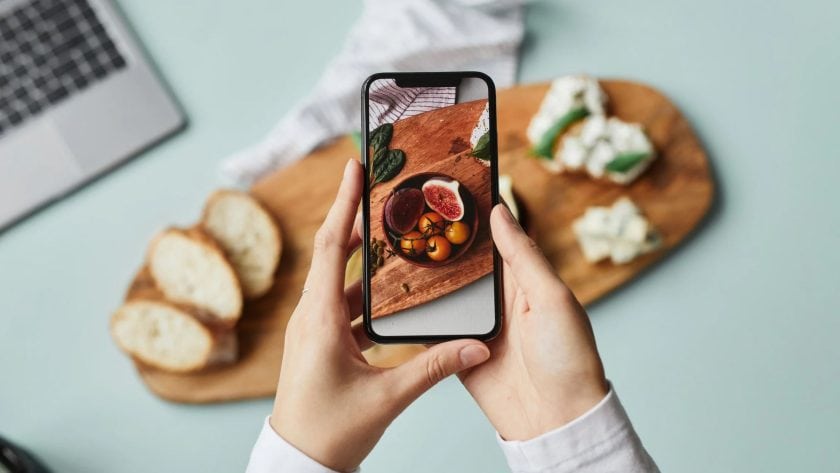
Scroll through any delivery app tonight and notice what makes you pause. It is not the logo or the text description. It is the image: the glossy burger, the crisp salad, the steam curling off a noodle bowl. In 2026, great food photography is no longer a nice extra for restaurants. It is the front door, the maître d’ and half your sales pitch.
Online platforms have hard numbers to back that up. One industry summary drawing on Grubhub and Deliveroo data reports that adding strong food photos to menu pages can increase sales by around 24 to 30 per cent. Restaurant social media statistics for 2025 suggest that 74 per cent of people now use social platforms to decide where to eat, and 40 per cent say they visit a restaurant after seeing food photos online. With more customers pre-ordering via apps or scanning digital menus before they ever walk in, the image is often the first and only chance to win the order.
This article looks at what serious research says about food images and purchase behaviour, what is new as we move into 2026, how to get credible pictures for your own venue, and what you should expect to pay.
Why food images matter more than ever
A decade ago, menu photos were mostly for chains and laminated tourist menus. Today they are everywhere: on QR menus, Deliveroo listings, Instagram grids and Google Business profiles. For many customers, that image is the closest they get to tasting the dish before committing.
A 2024 systematic review of social media and food consumer behaviour found that images on social platforms consistently shape attitudes, cravings and purchase intentions across hundreds of studies. Another review of online menus concluded that visual appeal and informativeness are key drivers of purchase intention: when layouts are clean and photos look appetising, diners are more likely to order and to feel confident in their choice. In short, customers “eat with their eyes” first, and bad visuals equal lost revenue.
Digital discovery behaviour reinforces that. One 2025 report on restaurant social media found that 57 per cent of diners now book reservations directly through social platforms, while 88 per cent trust online reviews as much as personal recommendations. In that environment, a dish with no image or a dull, badly lit photo is at a structural disadvantage, no matter how good it tastes in real life.
Key point
High quality food photos are no longer decoration; they are a proven lever on click-through, pre-orders and bookings across delivery apps and social platforms.
For independents, this can sound intimidating. The good news is that the research does not say you need cinematic perfection. It says you need clarity, appetite appeal and consistency. That can be achieved with a mix of thoughtful styling, honest lighting and simple editing.
What the research actually says about photos and buying
Several strands of academic work help explain why food photography has such a strong commercial effect.
Menu-design research dating back to the 2010s found that adding pictures to menu items with familiar names increased positive attitudes, willingness to pay and purchase intentions. More recent experiments on online ordering pages have shown that picture attributes such as brightness, close-up framing and image size significantly influence desire for food and the likelihood of placing an order. When the image is large, well lit and focused on the core ingredients, customers infer higher quality and feel more certain about what will arrive.
A 2024 study on colourful food photography reported that both monochrome and colour images can lift purchase intention, but saturated, colourful shots created more pleasure and arousal and led to stronger buying intentions overall. Meanwhile, a 2025 paper on image aesthetics in e-commerce found that visually appealing food images act as a “primary signal” of product quality, reducing uncertainty and guiding decision-making when customers cannot taste or smell the product.
Industry data lines up with those findings. One agency case study notes that restaurants that added high quality images to their delivery listings saw sales lifts of between 24 and 30 per cent, depending on the platform and category. That does not mean every new photo guarantees a 30 per cent jump, but it shows that, at scale, better visuals correlate strongly with higher conversion.
Key point
Studies across menus, delivery apps and social ads point in the same direction: clearer, more appetising images reduce doubt and nudge customers towards ordering.
Crucially, most of this research is about honesty and appetising presentation, not trickery. Over-styled, unrecognisable dishes can backfire if what arrives at the table feels like a downgrade. The sweet spot is inviting but believable: a true representation on a good day.
When independents experiment with their own visuals, even simple editing workflows that let them crop tightly, adjust exposure and gently add filter to photo can help bring real-world dishes closer to what the research describes as “high visual appeal”, without drifting into misleading territory.
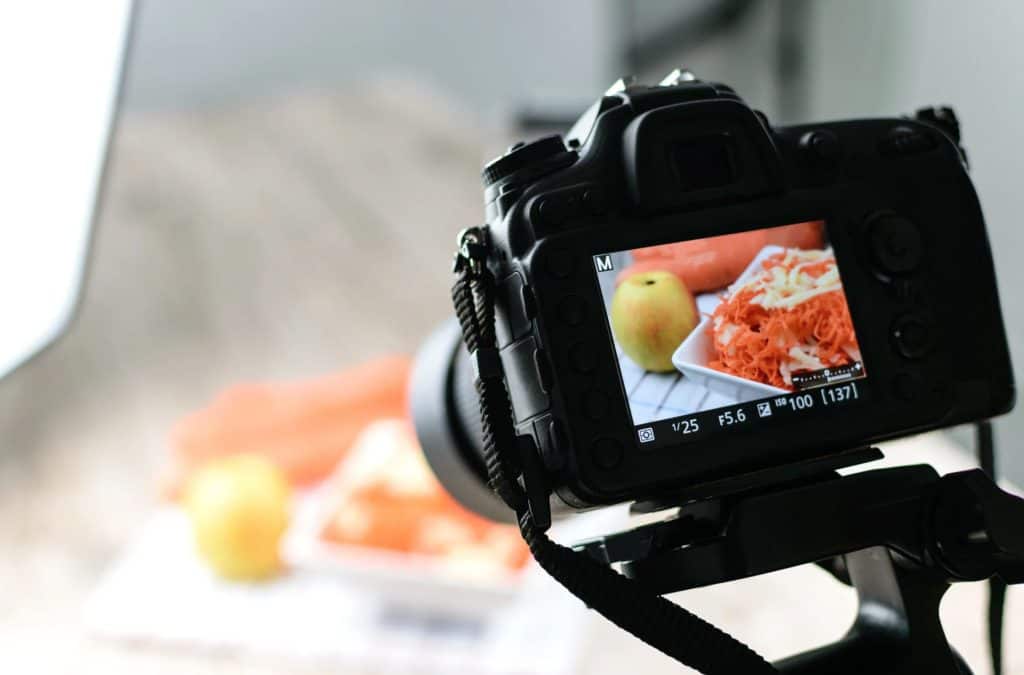
Food photography in 2026: AI, authenticity and new formats
So what is actually changing in 2026? The biggest shift is not that food photos exist, but how they are made and where they appear.
On the technology side, AI-assisted photography has moved from novelty to routine. A 2025 guide on restaurant menu photography reported a 441 per cent growth in AI photo editors since 2024, estimating that around 71 per cent of social images were already using AI for tasks like noise reduction, relighting or background cleanup. Mainstream platforms are baking these tools in: Uber Eats, for instance, now offers automatic enhancement of dark or low-quality menu images, adjusting lighting and even re-plating to improve presentation for both restaurant uploads and customer review photos.
At the same time, trend pieces from specialist photo agencies point to a continued appetite for “real food” aesthetics. Overhead flat-lays of full tables, natural light from side windows, visible crumbs and sauces, and documentary-style shots of chefs plating or guests sharing dishes all feature in 2025 food photography trend lists. Diners want to see texture and imperfection as much as polish, especially for neighbourhood restaurants where warmth and authenticity are part of the pitch.
Key point
The cutting edge in 2026 is not glossy perfection but the smart blend of AI assistance with honest, appetite-driven storytelling.
For restaurateurs, this means the tech stack is getting more powerful, but the brief is still human: show what makes your food craveable. If you use an AI-enabled editor to straighten plates or subtly add filter to photo so colours pop, the goal is to match what a guest sees at the table, not to manufacture fantasy dishes that will disappoint in person.
We are also seeing more formats beyond static shots. Short vertical videos that move from raw ingredients to finished dish, interactive 360-degree spins for hero products, and even VR tasting rooms for high-end brands are starting to appear. For most independent restaurants, those will remain nice-to-have. A coherent set of stills that works across Google, delivery platforms and social media will deliver more value than a single experimental VR asset.
Creating images that actually sell: practical advice
You do not need a studio kitchen to get commercially useful photos. What you need is a simple, repeatable process that aligns with how customers browse.
Start by choosing your “money dishes”. These are the plates that define your offer or have the best margins: the signature ramen, the sharing platter, the hero cocktail. There is little value in photographing every side dish in equal detail if they rarely drive pre-orders. Then design a basic shot list: wide scene-setters, mid-shots of table spreads and close-ups of key dishes, with room for text overlays if you need them for promotions.
Lighting is where many operators fall down. Natural light from a shaded window is your friend; harsh overhead LEDs are not. Use one direction of light, keep backgrounds simple and avoid mixing multiple colour temperatures. Basic tripod shots from a consistent angle make a series of dishes feel like a coherent menu rather than random snaps.
Key point
A small, disciplined workflow beats occasional “photo days” that produce a few good images and a lot of unusable clutter.
When you move into post-production, consistency matters more than complexity. Decide on a look that suits your brand (bright and clean, or moody and cosy) and stick to it. Even on a smartphone, following the same few steps every time – straighten, crop, adjust exposure and white balance, then selectively add filter to photo to match your house style – can bring low-budget shoots surprisingly close to professional results.
It is also worth thinking about platforms when you compose. Delivery apps usually show tight crops in square or vertical frames; Instagram grids prefer square; websites and print menus may need landscape banners. If you shoot a slightly wider master image in high resolution, you can crop multiple versions later without reshooting the dish.
What does good food photography actually cost?
Costs vary, but there is now enough data from UK photographers and platforms to sketch realistic ranges.
Recent London food-photography guides suggest that restaurants typically pay between £350 and £900 for a half-day shoot, and £500 to £1,500 for a full day, depending on scope and licensing. One East Midlands specialist publishes rates of £395 for a half-day and £650 for a full day, with minimums of 30 and 60 edited images respectively. At the product end, a London studio offers packages from £175 to £350 for three to ten lifestyle photographs of a single item. On-demand services such as Splento advertise food photography in major UK cities from around £99 per hour, including basic editing.
International benchmarks align with that picture. A 2025 pricing guide for small business food photography in North America, for instance, puts starter packages of ten images at roughly 500 to 1,500 US dollars, scaling up with more complex styling and retouching. AI-based services promise far lower headline costs – one 2025 comparison claims as little as 108 dollars a year for an entry-level AI plan versus several thousand for traditional shoots – but those tools still rely on you to style dishes and control the brand look.
Key point
For most UK restaurants, investing a few hundred to a couple of thousand pounds a year in strong visuals is enough to transform digital menus, especially when combined with smart reuse across channels.
In practical terms, many independents start with one professional shoot to build a core image library, then top up with regular in-house photos. If your budget is tight, focus your spend on the top twenty dishes that drive revenue and on evergreen shots of the room and team. Over time, the uplift in pre-orders and bookings should more than cover the initial outlay.
Conclusion: treat your images like a silent front-of-house team
Food photography is no longer just about making plates look pretty. In a restaurant world dominated by digital discovery, it is a measurable driver of pre-orders, reservations and repeat business. Academic studies, industry data and platform experiments all point to the same conclusion: when people see clear, appetising, well-lit images, they are more likely to click, to order and to feel good about what arrives.
Going into 2026, the tools to create those images are more powerful and more accessible than ever, from AI-assisted editing to on-demand shooters. What still needs human judgement is the story: which dishes you spotlight, how honestly you represent them, and how consistently you show up across every digital touchpoint.
If you treat your visuals as a silent front-of-house team – greeting guests on delivery apps, tempting them on Instagram, reassuring them on your website – it becomes easier to justify investing both time and money. The right picture, at the right moment, can be the difference between a casual scroll-by and a table full of paid-for pre-orders.
FAQ
Do food photos really increase restaurant sales or is it just marketing hype?
Multiple platform case studies and academic studies show that clearer, more appetising images can lift sales and conversion rates, sometimes by 20 to 30 per cent on delivery platforms.
Is it worth hiring a professional photographer if I already have a good phone?
If budget allows, one professional shoot can give you a strong base library for key dishes and hero images. After that, a modern smartphone plus a disciplined workflow is usually enough for everyday social media and specials.
How often should I update my food photos?
At minimum, refresh images when you change menus or presentation. Many restaurants schedule a small shoot once or twice a year, then add ad-hoc photos for seasonal specials and events.
Can AI replace traditional food photography for restaurants?
AI tools are excellent for enhancing, relighting and cleaning up images, and some platforms now offer built-in enhancement. They work best as helpers, not substitutes for real styling, lighting and brand decisions.
What is a sensible starting budget for food photography for an independent restaurant?
As a rough guide, setting aside a few hundred pounds for an initial shoot and then a modest monthly amount for top-ups and DIY tools is realistic for many independents, especially if you plan to reuse images across delivery apps, your website and social media.