Introduction
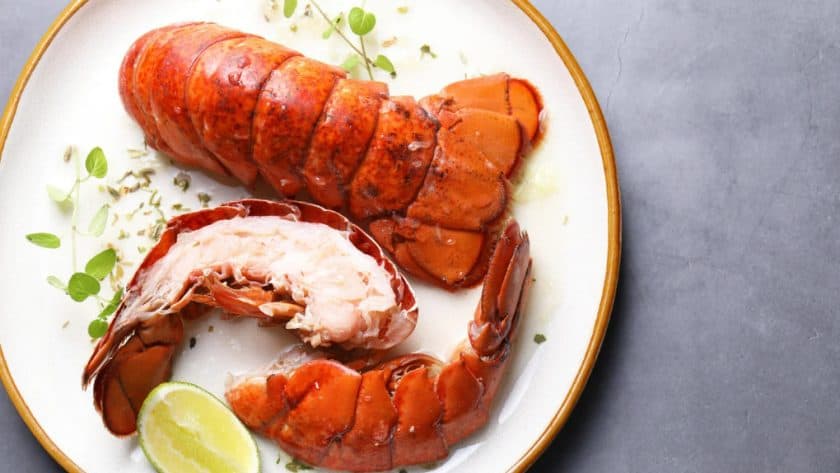
Lobster tail has a reputation for being restaurant-only territory, which is mostly a confidence problem rather than a skill one. Once you understand what is actually happening during the cooking process, it becomes clear that lobster tail is one of the more forgiving proteins to work with at home. It cooks quickly, signals doneness clearly with a thermometer, and does not need much help from seasoning to taste good.
The garlic butter lobster tail recipe here uses baking as the primary method because it gives beginners the most control. The oven does the heavy lifting, the foil keeps moisture in, and you are not standing over a pan managing heat in real time. Sourcing matters too. Providers like LobsterAnywhere deliver properly handled tails that arrive ready to thaw and cook, which removes the quality variability that comes with relying on whatever the local market happens to stock.
Why Lobster Tails Are the Right Starting Point
Whole lobster is a different proposition entirely: live handling, multiple body parts cooking at different rates, and more room for error. Tails eliminate most of that. The portion is predictable, the meat is contained in one section, and you are working with a single cooking timeline rather than managing claws and tail simultaneously.
The one decision worth making upfront is which type of tail to buy:
| Type | Flavor | Texture | Best For |
|---|---|---|---|
| Cold-Water (Maine) | Sweet, clean | Firm, holds up well under heat | Baking, broiling, garlic butter preparations |
| Warm-Water (Spiny) | Milder, slightly less sweet | Softer, more variable | Grilling, preparations that mask texture |
Cold-water tails are the right call for this recipe. The firmer texture holds up better during baking, and the flavor is noticeably sweeter, which is what you want when garlic butter is the only thing you are adding. Quality lobster tail options sourced from cold-water fisheries make the biggest difference in the final result, more than any technique adjustment will.
How to Choose and Thaw Lobster Tails
Most lobster tails are sold frozen. That is not a quality issue. Flash-freezing immediately after harvest actually preserves freshness better than sitting in a tank or on ice for days. What matters is how you handle the thaw.
What to look for when buying
- Firm shell with no visible cracks or soft spots
- No strong odor beyond a clean, light ocean smell
- Consistent coloration with no dark or discolored patches on the meat
Thawing correctly
- Thaw overnight in the refrigerator, still in the packaging
- Never thaw at room temperature. This creates uneven thawing and bacterial risk.
- Never use hot water. It begins cooking the outer layer before the inside is thawed.
- Pat dry before cooking. Surface moisture prevents browning and affects how the seasoning adheres.
Ingredients and Tools
The ingredient list is short by design. The more you add, the more you compete with the natural flavor of the lobster, which is the thing you are paying for.
Ingredients
- Lobster tails (one per person as a main)
- Unsalted butter, 3 to 4 tablespoons per tail
- Garlic, 2 to 3 cloves, finely minced
- Lemon, juice and wedges for serving
- Fresh parsley, chopped, for finishing
- Salt, just enough to season the meat before it goes in the oven
Tools
- Kitchen shears for butterflying
- Baking dish large enough to hold tails without crowding
- Aluminum foil to cover during baking
- Instant-read thermometer, the most important tool on this list
- Small saucepan for the garlic butter
How to Butterfly a Lobster Tail
Butterflying takes about 60 seconds and makes a meaningful difference to the final dish. It promotes even cooking, improves presentation, and lets the garlic butter reach the meat directly rather than sitting on top of a closed shell.
- Place the tail shell-side up on a cutting board.
- Use kitchen shears to cut through the top shell lengthwise down the center, stopping just before the tail fin. Do not cut all the way through the meat underneath.
- Gently spread the shell apart with your thumbs, working from the cut toward the edges.
- Slide your fingers between the meat and the shell to loosen the connection along the sides. Leave the meat attached at the tail end.
- Lift the meat upward through the cut, resting it on top of the shell. It should sit proud of the shell with the shell still beneath it.
If the meat tears slightly during this step, it does not affect cooking. The goal is access and even exposure to heat, not a perfect aesthetic result.
Step-by-Step Garlic Butter Lobster Tail Recipe
Step 1: Preheat and prep the dish
Set the oven to 425°F (220°C). Add a thin layer of water to the bottom of the baking dish, roughly a quarter inch. This creates a light steaming effect during cooking that keeps the meat moist.
Step 2: Season the tails
Place the butterflied tails flesh-side up in the dish. Season the exposed meat lightly with salt. Do not oil the meat at this stage; the garlic butter goes on after cooking.
Step 3: Cover and bake
Cover the dish tightly with aluminum foil. Bake for 20 to 25 minutes depending on the size of the tails. Smaller tails (4 to 6 oz) will be done closer to 18 to 20 minutes. Larger tails (8 to 10 oz) may need the full 25.
Step 4: Make the garlic butter during baking
While the tails are in the oven, melt the butter in a small saucepan over low heat. Add the minced garlic and cook gently for 60 to 90 seconds, just until fragrant. It should smell aromatic without browning at all. Remove from heat, add lemon juice, and stir in the chopped parsley. Keep warm.
Step 5: Check temperature
Start checking internal temperature around the 18-minute mark. Insert the thermometer into the thickest part of the tail meat without touching the shell. You are looking for 135 to 140°F. Pull the tails from the oven the moment they hit that range. Carryover heat will take them the rest of the way.
Step 6: Finish and serve
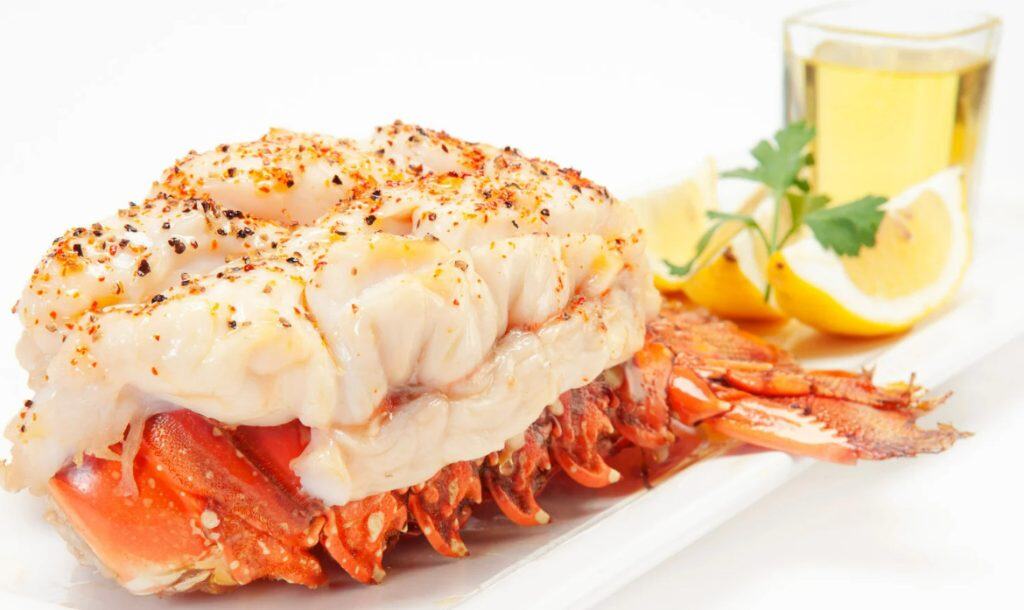
Remove the foil, spoon garlic butter generously over each tail, and serve immediately with lemon wedges on the side. Lobster does not hold well. Serve within two to three minutes of coming out of the oven.
Common Mistakes and How to Avoid Them
| Mistake | What Happens | The Fix |
|---|---|---|
| Overcooking | Meat turns rubbery and loses its sweetness | Pull from the oven the moment the tail hits 135-140°F internally |
| Relying on color alone | Shell color changes before the meat is actually done | Always use a thermometer. Color is a rough signal, not a reliable one. |
| Skipping the butterfly | Uneven cooking, harder to season the meat properly | Takes 60 seconds with kitchen shears. Worth doing every time. |
| Heavy seasoning | Masks the natural sweetness, which is the main reason to cook lobster | Salt, garlic butter, and lemon. That is genuinely all it needs. |
| Cooking from frozen | Uneven cooking, inconsistent texture throughout the tail | Thaw overnight in the refrigerator. Never at room temperature. |
| Burning the garlic | Bitter, acrid flavor that carries through the entire sauce | Cook over low heat until fragrant, 60-90 seconds. Remove from heat before it browns. |
What to Serve Alongside
Sides should complement the lobster without competing with it. Anything too rich or too bold pulls attention away from the main event.
- Roasted asparagus with olive oil and sea salt. Cooks at the same oven temperature, so you can time it alongside the lobster.
- Garlic noodles with light butter sauce. Echoes the garlic butter without duplicating it exactly.
- Roasted baby potatoes with herbs. Neutral enough to work with the richness of the butter.
- Simple green salad dressed with lemon vinaigrette. The acidity cuts through the richness and resets the palate between bites.
Avoid anything cream-based or heavily sauced. The lobster is already rich, and adding more richness on the plate blunts the impact of the main dish.
Storing and Using Leftovers
Cooked lobster tail keeps for one to two days in an airtight container in the refrigerator. Reheat gently, either in a low oven at 275°F covered with foil, or briefly in a pan with a little butter over low heat. Microwaving is the fastest way to ruin the texture.
Leftover lobster tail works well in:
- Lobster rolls with a light mayo dressing on a toasted split-top bun
- Pasta tossed through with butter, garlic, and pasta water
- Cold seafood salad with lemon, tarragon, and olive oil
All three work better with cold or room-temperature lobster than with reheated meat, so consider whether reheating is actually necessary before you do it.
Conclusion
Garlic butter lobster tail is genuinely one of the more approachable things you can cook at home once you stop treating it as a special-occasion challenge. The technique is simple, the ingredient does most of the work, and the result is reliably good when you control the two things that actually matter: temperature and timing.
Start with cold-water tails, butterfly them, cover the dish, and pull from the oven at 135 to 140°F. Make the garlic butter while it bakes. Serve immediately. That is the whole recipe, and it produces results that are hard to distinguish from what you would pay significantly more for in a restaurant.
Frequently Asked Questions
How long should you cook lobster tails in the oven?
20 to 25 minutes at 425°F, covered with foil. Start checking the internal temperature around 18 minutes for smaller tails. The tail is done at 135 to 140°F measured in the thickest part of the meat. Size varies more than time, so the thermometer is more reliable than a fixed number of minutes.
Do you need to butterfly lobster tails before cooking?
Not technically required, but it is worth doing. Butterflying takes about a minute and produces more even cooking, better seasoning coverage, and a significantly better-looking plate. Skipping it often leads to the outer edges of the meat overcooking before the center catches up.
How do you know when lobster tail is fully cooked?
The meat turns opaque and white throughout, and the internal temperature reads 135 to 140°F. Do not rely on color alone. Shell color changes before the meat is done, which is the most common reason people pull the tail too early and then put it back in, overcooking it in the process.
Can you cook lobster tails from frozen?
Technically yes, but the results are worse. Cooking from frozen leads to uneven texture where the outside is done and the center is still catching up. Thawing overnight in the refrigerator takes no active effort and produces a noticeably better result.
What is the best way to add flavor to lobster tail?
Garlic butter and lemon. That is all this recipe uses, and it is all the tail needs. The natural sweetness of cold-water lobster is the flavor you are cooking for. Adding more seasoning on top of that works against the ingredient rather than with it.