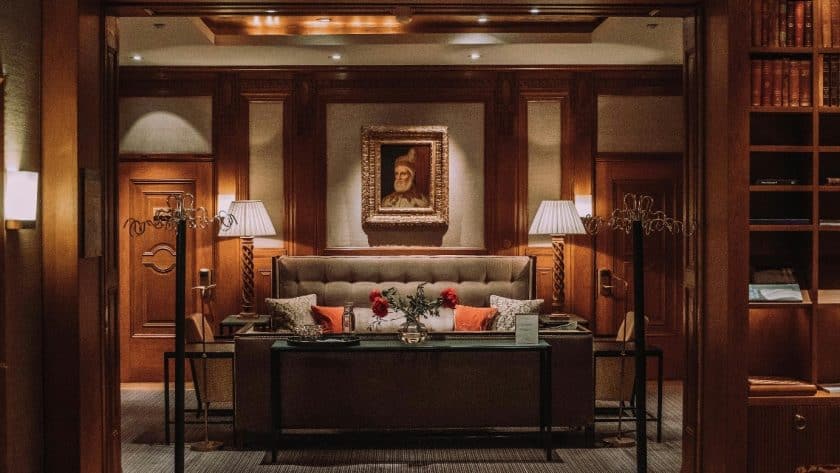
When people book a hotel, they often look at the location, price and facilities. However, there is another factor that plays just as important a role in the overall experience: interior design. From the moment a guest steps into the lobby, a first impression is formed that can set the tone for the rest of their stay. A well-designed hotel interior not only creates an attractive ambience, but also contributes to comfort, relaxation and a sense of hospitality. At a time when guests have increasingly high expectations, a hotel’s interior design is becoming a key part of the overall experience. But what really makes a hotel interior successful?
The power of a strong first impression
A first impression is often formed within seconds. The entrance, reception and lobby therefore serve as a hotel calling card. Warm colors, high-quality materials and a logical layout ensure that guests feel welcome straight away. An attractive reception area exudes professionalism and inspires confidence. Furthermore, a well-designed environment helps to reduce stress, particularly for travelers who have just completed a long journey.
By paying attention to lighting, seating comfort and décor, an atmosphere is created in which guests feel at ease. Hotels that invest in a consistent look also create a recognizable identity. This ensures that visitors remember the location better and are more inclined to return.
Comfort as the foundation for a positive experience
Although aesthetics is important, comfort remains one of the most crucial factors in the hotel industry. Guests want to relax, sleep well and feel at home during their stay. That is why the design of hotel rooms plays such a significant role. It is not just the bed, but also the choice of chairs, desks, lighting and storage that influences the level of comfort.
Many hotels therefore opt for bespoke solutions that align with their target audience and brand identity. For example, they can use custom hotel furniture by PM Furniture, which allows spaces to be optimally tailored to both functionality and appearance. When furniture is not only attractive but also practical to use, it creates an environment in which guests can relax effortlessly. This directly contributes to a more positive review of their stay.
Atmosphere and emotion make all the difference
People often don’t remember every detail of a hotel room, but they do remember the feeling their stay evoked. That is why atmosphere plays such an important role in hospitality. Elements such as lighting, the use of color and the choice of materials subconsciously influence how guests experience a space. Soft lighting, for example, creates a sense of calm, whilst natural materials radiate warmth and authenticity. Art, plants and decorative accents can also contribute to a pleasant environment. An increasing number of hotels are choosing to tell a unique story through their interiors. This adds character and makes a stay unique. Guests are increasingly looking for experiences that go beyond simply overnight stay.
Functionality behind a beautiful design
A successful hotel interior is not just about aesthetics. Hotel rooms and public spaces must be able to withstand heavy use whilst retaining their appeal. That is why a great deal of attention is paid to durable materials, smart layouts and low-maintenance solutions. A well-designed space makes the work of hotel staff easier whilst enhancing the user experience for guests.
Flexibility is also playing an increasingly important role. Hotels cater to a wide range of guests, from business travelers to families and holidaymakers. An interior that can easily adapt to different needs therefore offers significant added value. Hotels that consciously invest in attractive and functional design not only create satisfied guests but also build a strong reputation. Ultimately, it is these positive experiences that ensure visitors are happy to return and recommend their stay to others.