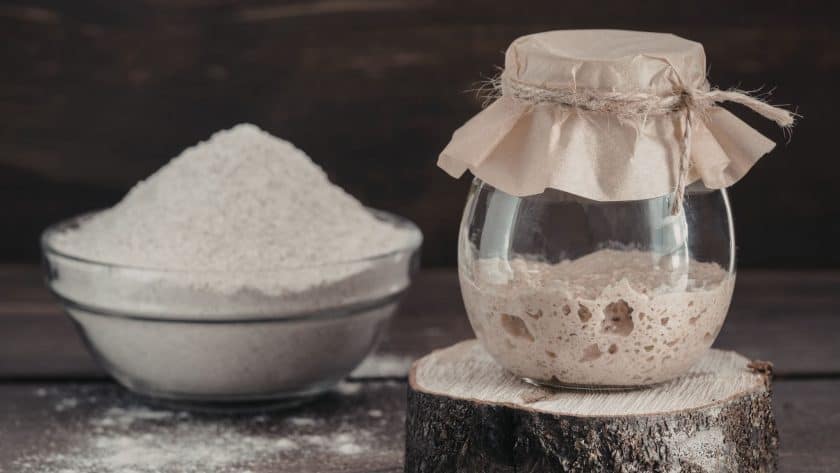
Feeding and caring for a sourdough starter can feel a bit daunting at first, but it’s far more approachable than it seems. After years of baking sourdough, I’ve picked up practical habits that make the process simple and reliable. This guide covers how to feed your starter, timing, troubleshooting, and even how to manage it when you’re away. With a well-maintained starter, great bread is absolutely within reach.
If you’re ready to begin, you can also start with an established culture from someone experienced—it often removes the guesswork and speeds things up.
A friend once shared a beautifully baked sourdough loaf with me. Although I typically avoid gluten, she explained that traditionally fermented sourdough can sometimes be easier to digest. The long fermentation allows wild yeast and beneficial bacteria to break down parts of the gluten and carbohydrates.
Curious, I looked into it further and found research suggesting that this fermentation process can improve digestibility and nutrient availability. Naturally, I gave it a try—then another slice, and another—without the usual discomfort.
That experience sparked a deeper interest in sourdough baking. Still, I hesitated at first. Terms like hydration ratios, fermentation stages, and techniques like stretch-and-fold felt overly technical. In reality, sourdough doesn’t need to be complicated.
At its core, it’s just flour, water, salt, and time. The natural processes do most of the work.
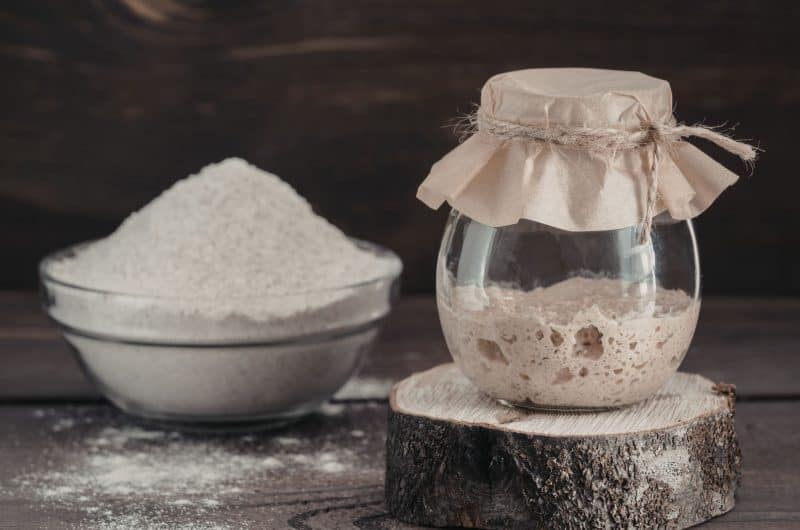
Mary Berry Top 10 Sourdough Starter Feeding Tips for Beginners
Course: BreadCuisine: British5
minutesIngredients
Unbleached all-purpose flour
Filtered water
Directions
- Day 1: Mix 50g flour + 50g water. Cover loosely.
- Day 2–5: Discard half. Feed 50g flour + 50g water daily.
- Day 6–10: Continue feeding daily until it doubles in 4–6 hours.
- Feed Ratio (Ongoing) 1:2:2 (e.g. 20g starter + 40g flour + 40g water)
Here are my Top Sourdough Starter Tips for Beginners:
1. How do you make a sourdough starter?
You can create one from scratch using just flour and water. That said, using a mature starter from someone else tends to be far more reliable because it already contains active microbial cultures. This significantly reduces the chances of failure early on.
2. What flour should I use to feed my starter?
Unbleached, organic all-purpose flour is a solid choice. Its moderate protein content makes it easy to mix and maintain without the added cost or strength of bread flour.
If your starter was originally fed with a specific flour (like rye or whole wheat), it’s best to stick with that to keep the microbial balance stable.
What about water and temperature?
Use filtered water where possible, as chlorine and other additives in tap water can interfere with fermentation.
Starters thrive around 22–23°C (about 73°F). Warmer conditions speed things up; cooler environments slow fermentation.
3. How often and how much should I feed it? Why discard?
If kept at room temperature, feed your starter once daily (or twice in warmer conditions).
A feeding ratio of 1:2:2 (starter:flour:water) helps maintain balance. For example:
- 20g starter
- 40g flour
- 40g water
Avoid consistently using a 1:1:1 ratio, as it can lead to excess acidity over time.
If storing in the fridge, feed it about once per week.
Why discard?
Removing a portion prevents over-acidification and keeps the culture active and healthy. It also ensures the yeast has enough fresh nutrients to continue fermenting effectively.

4. How do I know when my starter is ready to bake with?
Look for these indicators:
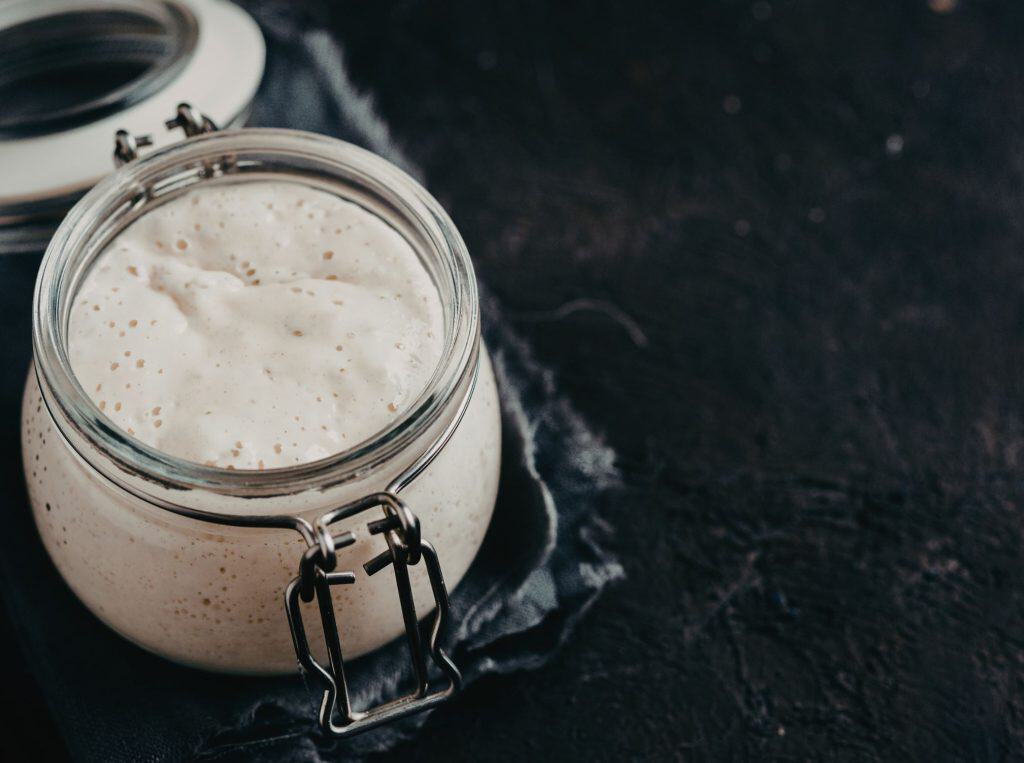
- It has doubled or tripled in volume
- The texture is light and airy
- You see bubbles throughout and on the surface
- It feels slightly elastic when stirred
5. What if I travel—will my starter die?
No—it’s much more resilient than people think.
Before leaving:
- Discard as usual
- Feed a larger amount (e.g., 100g flour + 100g water)
- Store in the refrigerator
The cold slows fermentation significantly.
When you return:
- Let it come to room temperature
- Discard half
- Feed twice daily for a few days
It should bounce back quickly.
6. Why does my dough spread instead of holding shape?
This usually points to either:
- Overproofing (fermented too long), or
- Insufficient gluten development
Incorporating proper stretch-and-fold techniques during bulk fermentation helps build strength and structure.
7. What basic tools do I need?
You don’t need much:
- Dutch oven or covered cast iron pot
- Digital kitchen scale
- Bread lame (or sharp blade) for scoring
- Banneton (proofing basket)
- Glass jar for storing your starter
8. What about waste from discard?
You don’t have to throw it away. Discard can be stored in the fridge (up to about 7–10 days) and used in recipes like:
- Biscuits
- Muffins
- Pancakes
- Quick breads
- Granola
Keeping a smaller starter also minimizes waste.
9. Are there small batch recipes?
Yes—many recipes yield a modest loaf that’s ideal for a small household and best enjoyed fresh over a couple of days.
10. Do I need a strict baking schedule?
Some planning helps, but it doesn’t have to be rigid.
A common approach:
- Feed starter in the morning
- Mix dough mid-afternoon
- Bulk ferment through the evening
- Shape at night and refrigerate
- Bake the next morning
Cold proofing overnight adds flexibility and flavor.
FAQs
Can I use tap water for my starter?
It depends on your local water. If it contains chlorine or additives, filtered water is safer.
Why does my starter smell sour or strong?
That’s normal. A tangy aroma is part of healthy fermentation. Extremely sharp or unpleasant smells may indicate it needs feeding.
How long does it take to establish a new starter?
Typically 5–10 days, depending on temperature and conditions.
Can I switch flours later?
Yes, but do it gradually over a few feedings to avoid shocking the culture.
What if I forget to feed it?
It’s usually recoverable. Discard most of it and resume regular feedings until it becomes active again.
Other Related Recipes
- Mary Berry-Style Gluten Free Sourdough Recipe
- Mary Berry Lemon Rhubarb Sourdough Discard Cake Recipe
- Mary Berry Homemade Whole Wheat Sourdough Bread Recipe